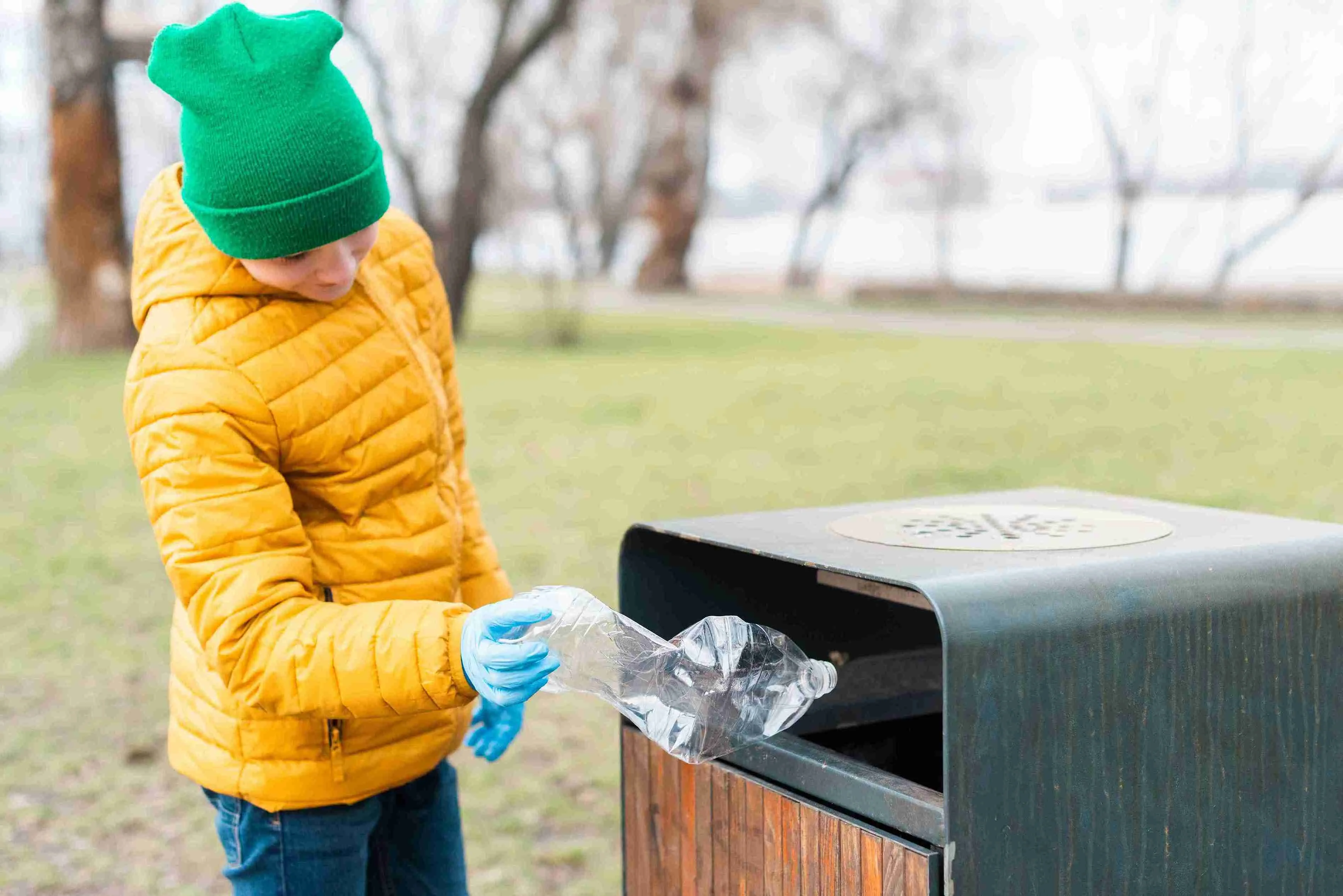
England is introducing updated bin collection rules for 2026 aimed at improving recycling, reducing landfill waste, and promoting environmentally responsible practices. These rules will affect households, businesses, and local councils, requiring everyone to follow clear waste separation and collection guidelines. Understanding these rules is essential to ensure compliance and contribute to a cleaner, greener environment.
The 2026 rules standardize waste management practices across England. The government and local councils are implementing a system designed to make recycling easier and more efficient while minimizing contamination. The main objectives are to increase recycling rates, encourage composting, and ensure safe disposal of hazardous and electronic waste.
Households will be required to separate waste into specific categories. The standard system includes a general waste bin for non-recyclable items, a recycling bin for plastics, metals, paper, and cardboard, and an organic or food waste bin for food scraps and garden waste. Proper separation ensures that recyclable materials are processed effectively and reduces contamination. Residents are encouraged to rinse containers, flatten cardboard, and avoid placing non-recyclable items in recycling bins.
Bin collections are expected to be regular and coordinated by local councils. General waste may be collected weekly or fortnightly depending on the council. Recycling collections will typically occur weekly to maintain quality and prevent odors. Organic waste collections are often weekly, particularly in urban areas. Residents must monitor their local council’s schedule and any updates regarding public holidays or collection changes.
Residents have a responsibility to follow the bin collection rules carefully. They should place the correct waste in the appropriate bin, ensure bins are accessible on collection day, and comply with any council-specific guidelines. Properly following these rules helps prevent missed collections, avoids fines, and supports national sustainability goals.
Businesses in England are also required to comply with the 2026 rules. Commercial premises must separate recyclables, manage food waste responsibly, and follow local council regulations for collection. Many councils provide guidance on bin sizes, collection schedules, and safe disposal practices for businesses.
Special rules apply to hazardous and electronic waste. Items like batteries, electrical appliances, and chemicals cannot be disposed of in regular household bins. Councils provide designated collection points or scheduled pick-ups for these materials to ensure safe disposal and environmental protection.
The 2026 rules are designed to improve environmental outcomes across England. By following proper waste separation and recycling practices, residents and businesses help reduce pollution, conserve resources, and support the efficiency of waste management systems. These changes also raise public awareness about sustainable waste practices and encourage participation in national recycling initiatives.
Common mistakes include placing non-recyclable items in recycling bins, leaving food residue on recyclables, overfilling bins, and ignoring council instructions for hazardous materials. Avoiding these errors ensures smooth collection services and contributes to higher recycling rates. Residents should educate themselves and household members about proper disposal methods and review council guidance regularly.
The 2026 bin collection rules are part of a long-term strategy to enhance sustainability. Future developments may include expanded recycling for textiles and soft plastics, incentive programs for reducing general waste, and investment in advanced recycling and composting technologies. These measures aim to make waste management more efficient, environmentally friendly, and easier for residents to follow.
England’s 2026 bin collection rules mark a major step toward sustainable waste management. Residents and businesses must understand and follow proper waste separation, collection schedules, and council guidelines. By doing so, communities can enjoy cleaner neighborhoods, improved recycling rates, and a reduced environmental impact, contributing to a greener future for everyone.