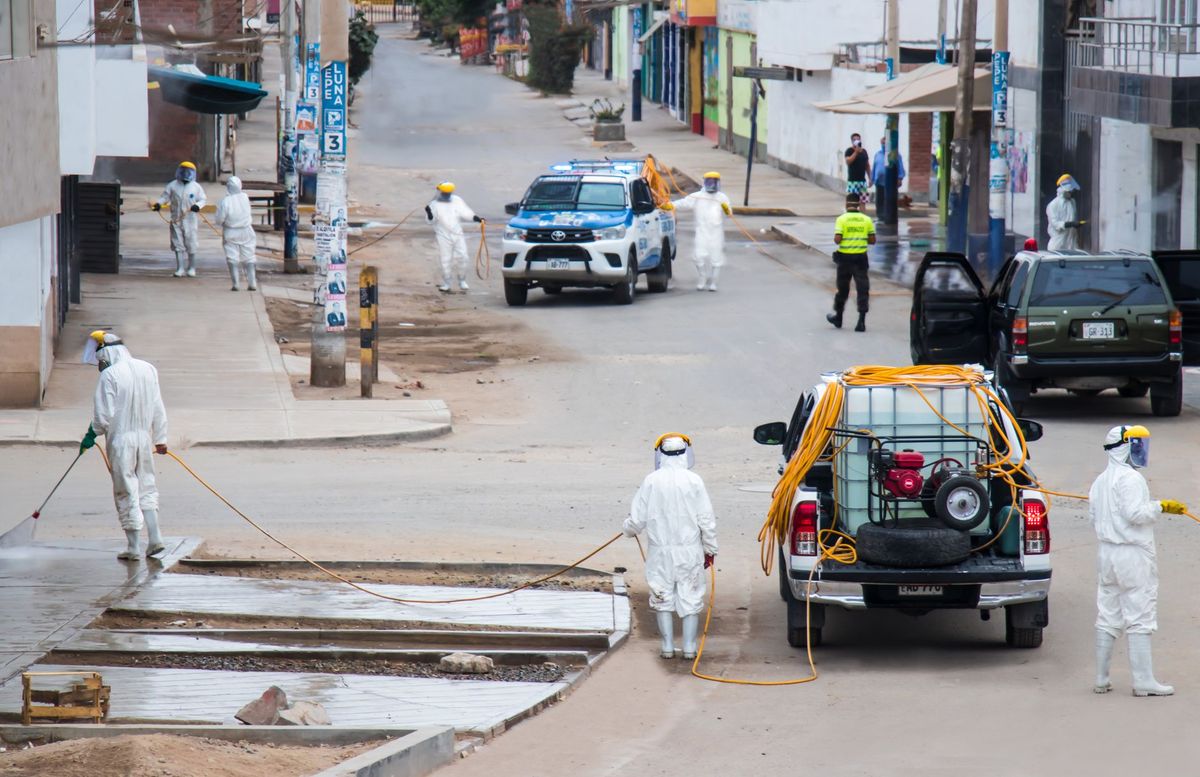
In recent years, the term killer fungus has moved from scientific journals into mainstream headlines, raising concern among health experts and the general public alike. Once considered a rare or secondary threat, dangerous fungal infections are now emerging as a serious global health issue. Factors such as climate change, increased global travel, antibiotic overuse, and weakened immune systems have contributed to the rise of fungal pathogens that can be difficult to detect and even harder to treat. Understanding what killer fungi are and why they matter is essential in an increasingly interconnected world.
A killer fungus refers to certain fungal pathogens capable of causing severe, sometimes fatal, infections in humans, animals, or plants. Unlike common fungal issues such as athlete’s foot or mild yeast infections, these fungi can invade the bloodstream, lungs, or internal organs. In vulnerable individuals, including those with compromised immune systems, the infections can progress rapidly and become life threatening if not treated promptly.
Fungal infections are becoming more dangerous due to a combination of biological and environmental factors. One of the biggest challenges is antifungal resistance. As fungi evolve, some strains no longer respond to existing medications, leaving doctors with limited treatment options. At the same time, medical advancements that save lives, such as chemotherapy and organ transplants, often weaken immune defenses, increasing susceptibility to invasive fungal infections.
Climate change plays a significant role in the emergence of killer fungi. Rising global temperatures allow fungi to adapt to warmer environments, making it easier for them to survive inside the human body. Changes in rainfall, humidity, and extreme weather events also create conditions where harmful fungi can thrive and spread into new regions, exposing populations that previously had little to no risk.
Several fungal species are frequently associated with severe infections. Some affect the lungs when spores are inhaled, while others enter the bloodstream through wounds or medical devices. These fungi can cause conditions ranging from chronic respiratory illness to acute systemic infections. What makes them particularly dangerous is their ability to evade immune responses and resist treatment.
While anyone can be exposed to fungal spores, certain groups face a much higher risk of serious illness. People with weakened immune systems, such as cancer patients, transplant recipients, and those with advanced chronic diseases, are particularly vulnerable. Premature infants and elderly individuals are also at increased risk due to less robust immune defenses. In hospital settings, invasive fungal infections can spread rapidly if infection control measures are not strictly followed.
One of the most concerning aspects of killer fungi is how difficult they can be to diagnose. Symptoms often resemble those of bacterial or viral infections, including fever, fatigue, cough, or shortness of breath. Because fungal infections are less common, diagnosis is sometimes delayed, allowing the disease to progress. Advanced testing methods exist, but access and awareness remain inconsistent across healthcare systems.
Treating severe fungal infections is challenging due to the limited number of antifungal drugs available. Unlike antibiotics, which target bacteria, antifungal medications must be carefully designed to avoid harming human cells. Resistance to existing treatments is increasing, making some infections extremely difficult to control. This growing resistance underscores the urgent need for new antifungal therapies and better stewardship of current medications.
The global impact of killer fungi extends beyond individual patients. Fungal infections place a heavy burden on healthcare systems, increasing hospital stays, medical costs, and mortality rates. In agriculture, fungal outbreaks can devastate crops, threatening food security and economic stability. The interconnected nature of human, animal, and environmental health highlights the importance of addressing fungal threats on a global scale.
Scientists and health organizations are actively working to combat the rise of killer fungi. Research efforts focus on developing new antifungal drugs, improving diagnostic tools, and understanding how fungi adapt to environmental changes. Public health initiatives aim to raise awareness, improve surveillance, and promote early detection. Collaboration between governments, researchers, and healthcare providers is essential to stay ahead of this evolving threat.
Prevention plays a crucial role in reducing the impact of killer fungi. Simple measures such as proper hygiene, infection control in hospitals, and responsible use of antibiotics can significantly lower risk. Public awareness campaigns help educate people about symptoms and risk factors, encouraging early medical attention when infections are suspected.
The rise of the killer fungus represents a growing challenge for global health in the modern era. As fungi adapt to changing environments and develop resistance to treatment, the risks they pose continue to increase. Through research, awareness, and coordinated public health efforts, it is possible to reduce the impact of these dangerous pathogens. Understanding the threat is the first step toward preventing future outbreaks and protecting vulnerable populations worldwide.