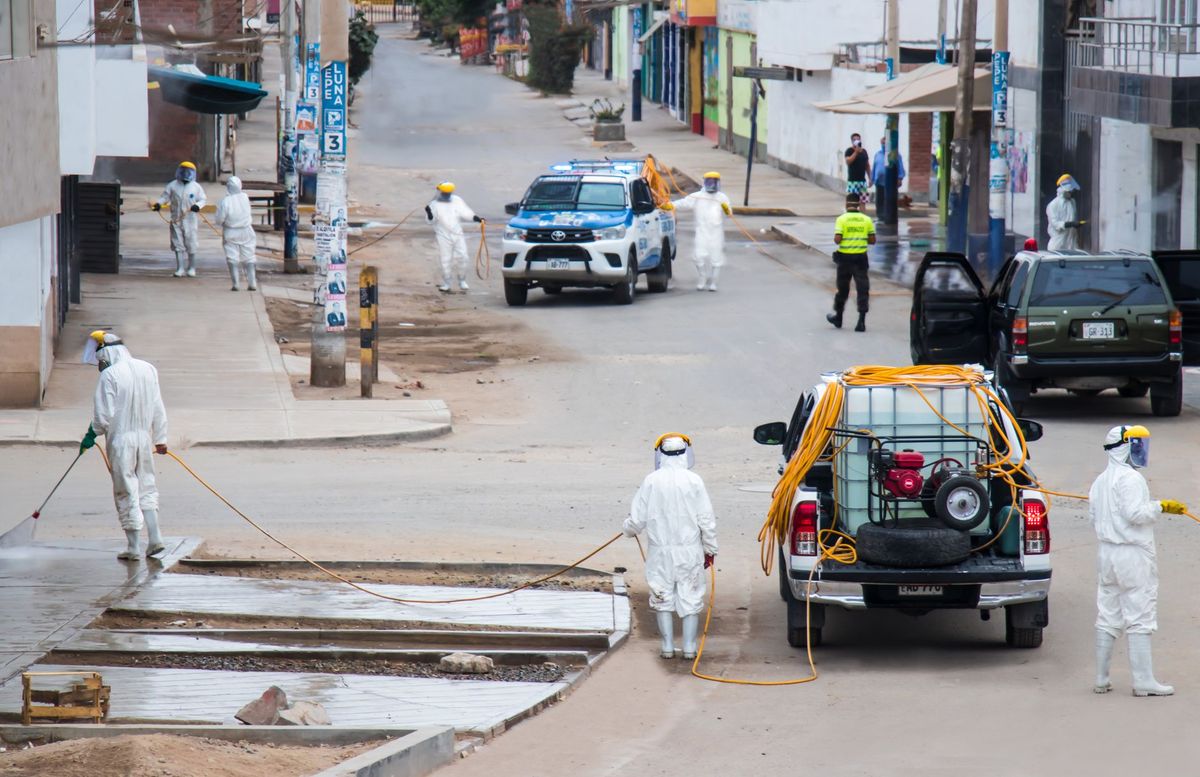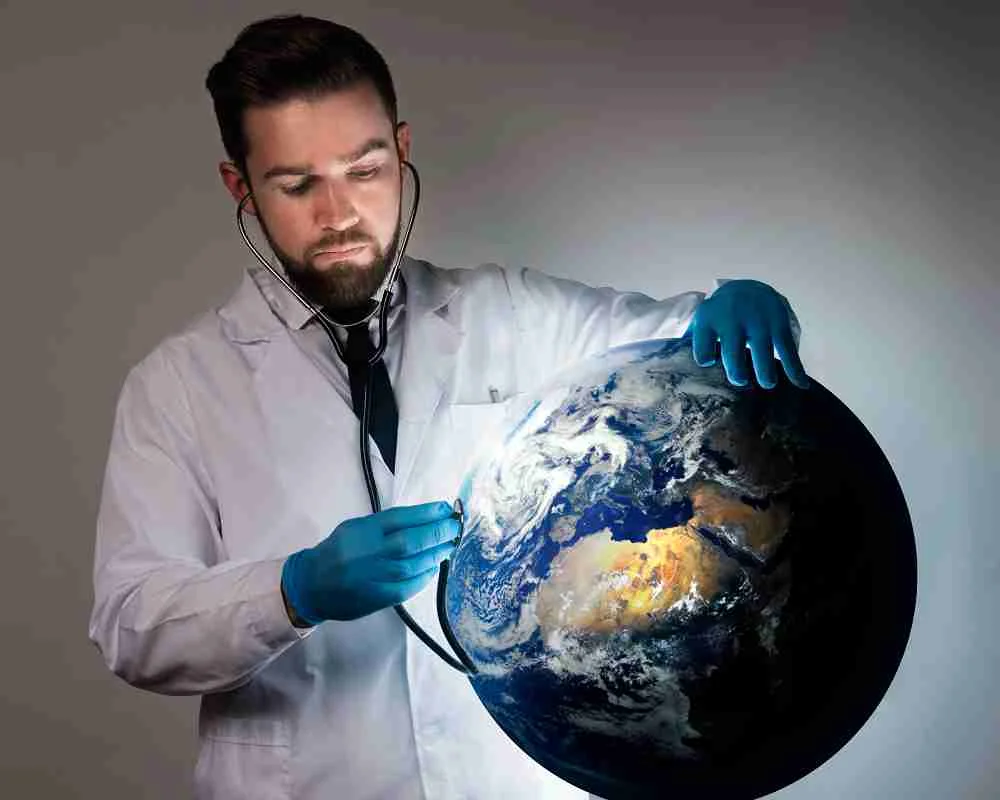
Reports of a mystery disease sweeping the globe have captured public attention and raised urgent questions. Across multiple regions, health authorities are investigating clusters of unexplained illness marked by similar symptoms but no immediately confirmed cause. While uncertainty naturally fuels concern, experts emphasize the importance of evidence-based analysis, transparency, and calm as investigations continue. Understanding how global health systems respond to such events is crucial to separating fact from speculation.
A mystery disease refers to an illness that presents with recognizable symptoms but lacks a clearly identified pathogen or cause at the early stages of investigation. This does not mean the disease is entirely unknown—rather, it indicates that laboratory confirmation, epidemiological links, or sufficient data are still being gathered. Historically, many outbreaks began this way before being fully understood through scientific research.
Initial reports describe a range of symptoms that may include fever, fatigue, respiratory distress, or neurological effects, depending on the region. Health agencies are focusing on identifying consistent patterns among patients, such as age groups affected, severity levels, and recovery timelines. These patterns help narrow down potential causes and rule out known illnesses.
Importantly, experts caution that similar symptoms can arise from multiple conditions, including viral infections, environmental exposure, or even unrelated local outbreaks occurring simultaneously.
When a potential global health threat emerges, national health agencies coordinate with international bodies to share data and resources. Surveillance systems are activated to track case numbers, hospitalizations, and outcomes. Laboratories work to test samples against known pathogens while also screening for new or rare variants.
Public health officials prioritize rapid information exchange to avoid delays in understanding the situation. This collaborative approach has significantly improved since previous global health crises, allowing for faster identification and response.
Scientific investigation lies at the heart of addressing any mystery disease. Researchers analyze biological samples, study transmission patterns, and assess environmental factors. Advanced genomic sequencing tools can now identify pathogens more quickly than ever before, even when dealing with previously unseen strains.
Equally important is peer review and verification. Early findings are rigorously tested before conclusions are shared publicly, ensuring accuracy and preventing misinformation from spreading.
One of the biggest challenges during reports of a mystery disease sweeping the globe is misinformation. Social media can amplify unverified claims, leading to unnecessary panic. Health experts stress the importance of relying on official updates from trusted medical organizations rather than speculation.
Clear communication helps maintain public trust. Authorities often provide regular briefings, outlining what is known, what is still under investigation, and what precautions—if any—are recommended for the general population.
At early stages, widespread restrictions are rarely implemented unless there is strong evidence of severe risk or rapid transmission. Instead, authorities may issue guidance focused on hygiene, symptom monitoring, and seeking medical advice when necessary. Decisions around travel advisories or public health measures are based on data, not headlines.
For most people, daily routines remain unchanged during investigation phases. Preparedness, not panic, is the guiding principle for public health responses.
History shows that early uncertainty is a normal part of outbreak investigation. In many cases, what initially appeared alarming was later identified as manageable once the cause was understood. Past experiences have strengthened global preparedness, improving surveillance, communication, and medical response.
These lessons reinforce the value of patience and trust in scientific processes. Rapid conclusions without sufficient evidence can do more harm than good.
While experts work to identify and contain the illness, individuals can focus on general health practices. Staying informed through reliable sources, maintaining good hygiene, and following public health advice are practical steps. Seeking medical care when experiencing concerning symptoms remains essential, regardless of the disease’s origin.
Personal preparedness also includes emotional resilience—recognizing that uncertainty does not automatically equal danger.
As investigations continue, clarity will emerge. Whether the illness is linked to a known pathogen, an environmental factor, or a new medical condition, science will provide answers over time. Transparency from health authorities and responsible reporting from media outlets play key roles in guiding public understanding.
The phrase “mystery disease sweeps globe” understandably sparks concern, but it also highlights the strength of modern global health systems. Through collaboration, research, and clear communication, experts are working to uncover the truth and protect public health. Remaining informed, calm, and guided by science is the most effective response as the situation develops.