The Bolton crash has drawn significant public attention, raising serious questions about road safety, emergency response, and the wider impact such incidents have on local communities. Road traffic collisions are always distressing, but when they occur in populated areas like Bolton, the consequences extend far beyond the immediate scene. From disrupted lives to ongoing investigations, the Bolton crash highlights the importance of awareness, responsibility, and preventive measures.
As details continue to emerge, authorities and residents alike are seeking clarity on what happened, why it happened, and how similar incidents can be avoided in the future.
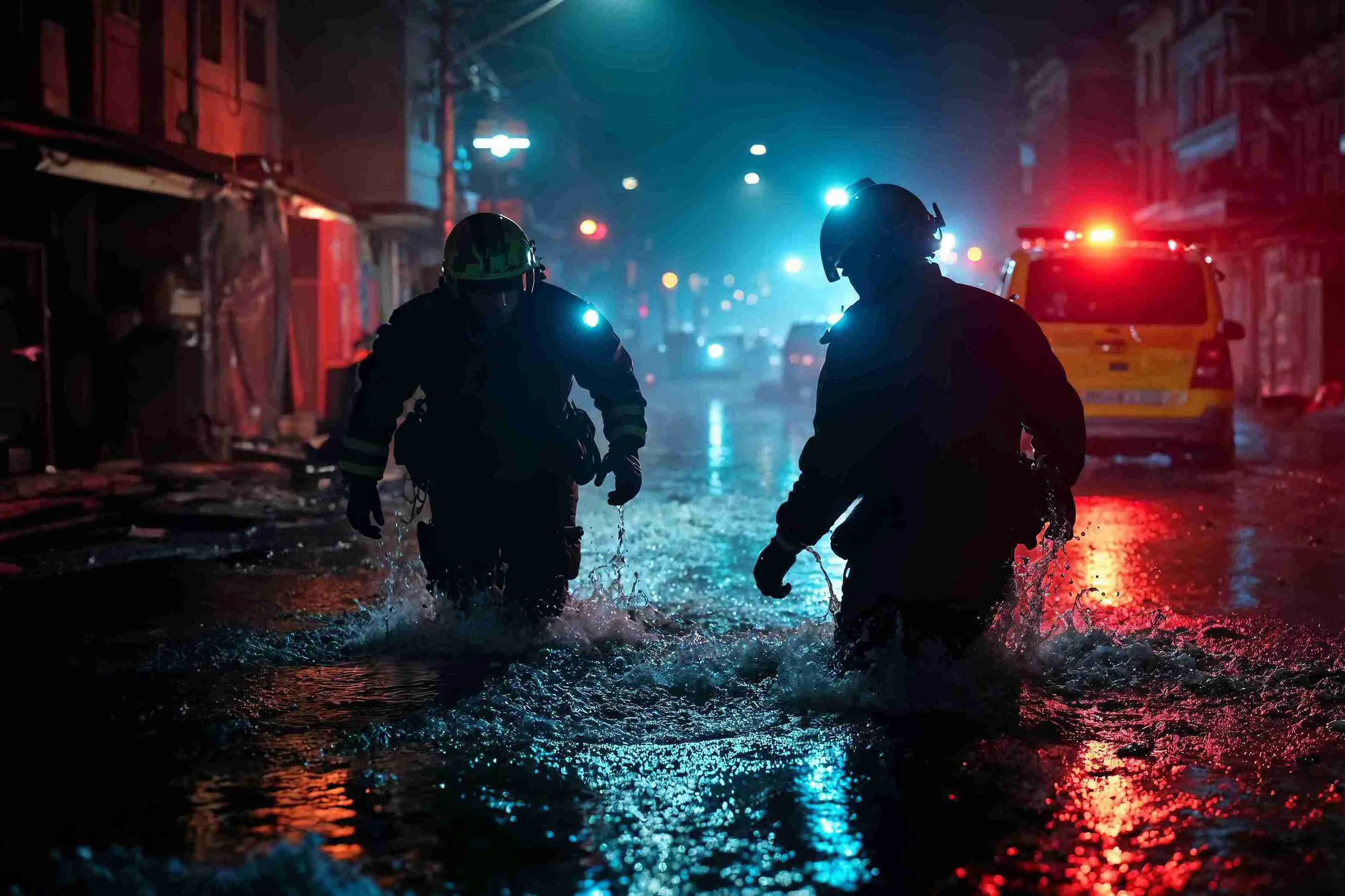
Initial reports indicate that the Bolton crash involved a serious road traffic incident that required an immediate emergency response. Police, ambulance services, and fire crews attended the scene promptly to secure the area and assist those affected.
While official investigations are ongoing, early information suggests that multiple factors may have contributed to the crash. Authorities have urged the public to avoid speculation and allow investigators to complete their work thoroughly and accurately.
Emergency services play a crucial role in managing incidents like the Bolton crash. First responders are trained to assess risk, provide urgent medical care, and ensure the safety of everyone involved. In this case, their rapid arrival helped stabilize the situation and prevent further harm.
Road closures and traffic diversions were implemented to allow emergency teams to work effectively. These measures, while disruptive, are essential for ensuring both public safety and the integrity of the investigation.
The human cost of the Bolton crash cannot be overstated. Those directly involved may face physical injuries, emotional trauma, and long recovery periods. Families and loved ones are often left dealing with shock, uncertainty, and long-term consequences.
Support services, including counseling and victim assistance programs, are critical during such times. Community solidarity often plays a vital role in helping affected individuals cope with the aftermath.
Residents of Bolton have expressed deep concern following the crash. Such incidents can create a sense of vulnerability, particularly if they occur on familiar roads or near residential areas. Local communities often respond with empathy, support, and calls for improved safety measures.
Public discussions frequently focus on road conditions, traffic management, and driver behavior. These conversations, while emotionally charged, are an important part of broader efforts to prevent future tragedies.
Following a serious crash, police conduct a detailed investigation to establish the facts. This includes examining the vehicles involved, analyzing road conditions, reviewing CCTV or dashcam footage, and taking witness statements.
The purpose of this process is to determine whether any laws were broken and if further legal action is required. Authorities have emphasized that investigations take time and that accuracy is essential to ensure justice and accountability.
While each incident is unique, road traffic crashes often result from a combination of factors. These may include excessive speed, distracted driving, weather conditions, mechanical failure, or road layout issues.
Understanding these factors is key to improving road safety. Investigations into the Bolton crash aim to identify contributing elements so that lessons can be learned and applied to future prevention strategies.
The Bolton crash serves as a reminder of the importance of road safety awareness. Simple actions such as obeying speed limits, avoiding mobile phone use while driving, and staying alert can significantly reduce the risk of accidents.
Local authorities and safety organizations often use such incidents to reinforce public education campaigns, encouraging drivers and pedestrians alike to remain cautious and responsible.
Serious crashes often prompt reviews of local infrastructure. Road design, signage, lighting, and traffic flow are all factors that can influence safety. In some cases, changes such as speed reductions, additional crossings, or improved visibility are implemented following an incident.
Residents may call on councils to reassess specific locations if they are perceived as accident-prone, ensuring that long-term solutions are explored.
Media coverage of incidents like the Bolton crash plays a powerful role in shaping public perception. Responsible reporting focuses on verified facts, avoids speculation, and respects the privacy of those affected.
Accurate information helps prevent misinformation and ensures that the public remains informed without unnecessary alarm or distress.
Beyond the immediate aftermath, crashes can have lasting effects on a community. Memorials, safety campaigns, and policy discussions often emerge as residents reflect on the incident.
These long-term responses can lead to positive change, transforming tragedy into an opportunity for greater awareness and improved safety standards.
Preventing future crashes requires a collective effort. Drivers must remain vigilant and responsible, authorities must maintain safe infrastructure, and communities must continue advocating for safety improvements.
Education, enforcement, and engineering are the three pillars of effective road safety. Incidents like the Bolton crash underline the need for all three to work together.
The Bolton crash is a sobering reminder of how quickly lives can be affected by road traffic incidents. While investigations continue, the focus remains on supporting those impacted, understanding the causes, and taking steps to prevent similar events in the future. Through awareness, responsibility, and community action, meaningful progress toward safer roads can be achieved.