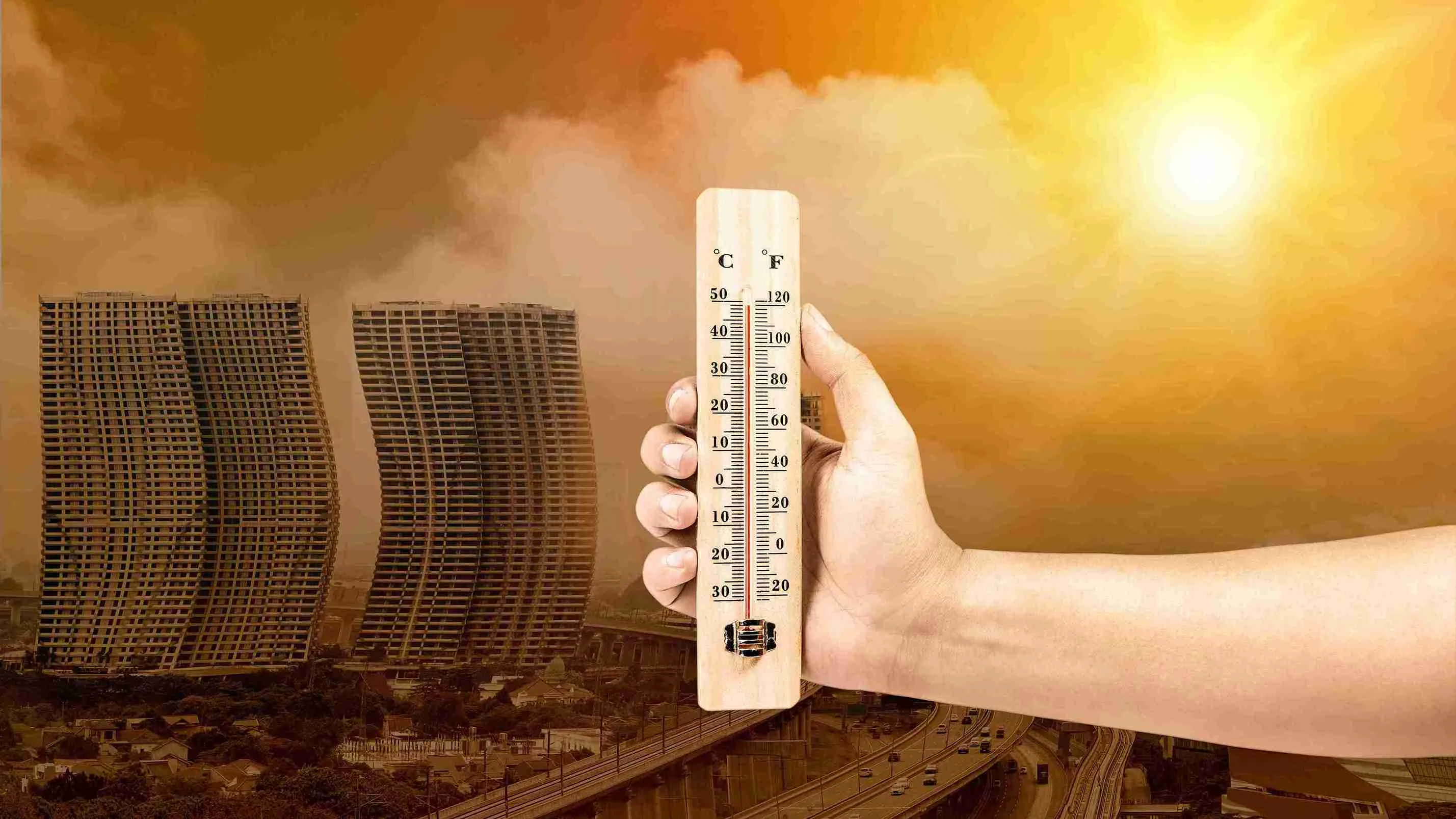
Heat is a fundamental concept in physics and everyday life, affecting everything from climate and weather patterns to human health and industrial processes. Understanding heat, its sources, effects, and methods of management is crucial for safety, comfort, and efficiency. Whether it’s a sweltering summer day, industrial machinery in operation, or cooking in your kitchen, heat plays a critical role in our environment and daily activities.
Heat is a form of energy that transfers between systems or objects due to temperature differences. It is measured in units called joules (J) or calories. Unlike temperature, which measures the average kinetic energy of particles, heat specifically refers to energy in transit. This distinction is important in fields such as physics, engineering, and meteorology.
Heat moves in three primary ways: conduction, convection, and radiation. Conduction occurs when heat transfers directly through a solid material, convection through fluids such as air or water, and radiation through electromagnetic waves without requiring a medium. Understanding these mechanisms is essential for designing energy-efficient homes, cooling systems, and industrial processes.
Heat can come from various natural and artificial sources. The sun is the primary source of heat for the Earth, driving weather patterns, ocean currents, and the water cycle. Other natural sources include geothermal activity, volcanic eruptions, and friction between moving surfaces.
Human activities also generate heat, known as anthropogenic heat. This includes energy production in power plants, combustion engines, industrial processes, and even electronic devices. Urban areas often experience higher temperatures due to the concentration of heat sources, a phenomenon known as the urban heat island effect.
Excessive heat can have significant physiological impacts on the human body. Heat affects the cardiovascular, nervous, and respiratory systems. Prolonged exposure to high temperatures may result in dehydration, heat exhaustion, heat stroke, and other heat-related illnesses.
The body regulates temperature through sweating and increased blood flow to the skin, but extreme conditions can overwhelm these mechanisms. Heat stress can impair cognitive function, reduce physical performance, and increase the risk of accidents, particularly in workplaces, sports, and outdoor activities. Understanding these effects is vital for public health and occupational safety.
Heat influences weather, climate, and ecosystems. Solar radiation warms the Earth’s surface, creating temperature gradients that drive wind, precipitation, and ocean currents. Seasonal variations in heat affect plant growth, animal behavior, and energy consumption patterns.
Climate change has amplified the importance of understanding heat. Rising global temperatures increase the frequency of heatwaves, exacerbate drought conditions, and contribute to environmental stress on human populations and wildlife. Effective heat management strategies, such as green infrastructure and cooling technologies, are essential for adaptation.
Heat is integral to numerous industrial processes. In manufacturing, heat treatment is used to alter the properties of metals, ceramics, and polymers. Energy generation, whether through fossil fuels, nuclear power, or renewable methods, relies on converting heat into mechanical or electrical energy.
In technology, heat management is critical for electronics. Excessive heat can damage components, reduce performance, and shorten device lifespan. Solutions include heat sinks, fans, liquid cooling, and thermal interface materials. Efficient heat dissipation is key for data centers, high-performance computing, and consumer electronics.
Managing exposure to heat is essential for health and safety. During extreme heat events, it is important to stay hydrated, wear lightweight clothing, and avoid prolonged exposure to the sun. Vulnerable populations, such as the elderly, children, and individuals with chronic illnesses, require additional precautions.
In workplaces, heat stress can be mitigated through engineering controls, administrative measures, and personal protective equipment. Industries like construction, mining, and agriculture often implement heat management protocols, including rest breaks, shaded areas, and monitoring of temperature and humidity levels.
Heat is measured using calorimetry, thermocouples, and infrared sensors. Calorimeters determine the heat transfer in chemical reactions or physical processes, while thermocouples measure temperature differences that correspond to heat flow. Infrared technology allows non-contact assessment of surface temperatures in industrial and environmental applications.
Understanding the principles of heat transfer, specific heat capacity, and thermal conductivity is fundamental for engineers, scientists, and medical professionals. These principles guide the design of energy-efficient systems, climate control technologies, and safe working environments.
Heat also influences human behavior, culture, and social dynamics. In regions with high temperatures, architectural design, clothing choices, and daily routines adapt to mitigate discomfort and health risks. Festivals, recreational activities, and social interactions often reflect seasonal heat patterns.
Moreover, heat-related disasters, such as wildfires and heatwaves, have societal and economic impacts. Awareness, preparedness, and adaptation measures are crucial for minimizing loss and ensuring community resilience.
Heat is more than just an environmental factor; it is a form of energy that shapes our daily lives, technology, health, and environment. From natural phenomena to human-made systems, understanding heat and its effects is essential for safety, innovation, and sustainability. By mastering heat management and respecting its impact, individuals, industries, and societies can optimize performance, protect health, and adapt to changing conditions.