Mushrooms have been part of human diets for thousands of years. Initially foraged from the wild, their cultivation has developed over centuries, making mushrooms widely available and affordable. Today, they are consumed globally and celebrated for their versatility in cuisine.
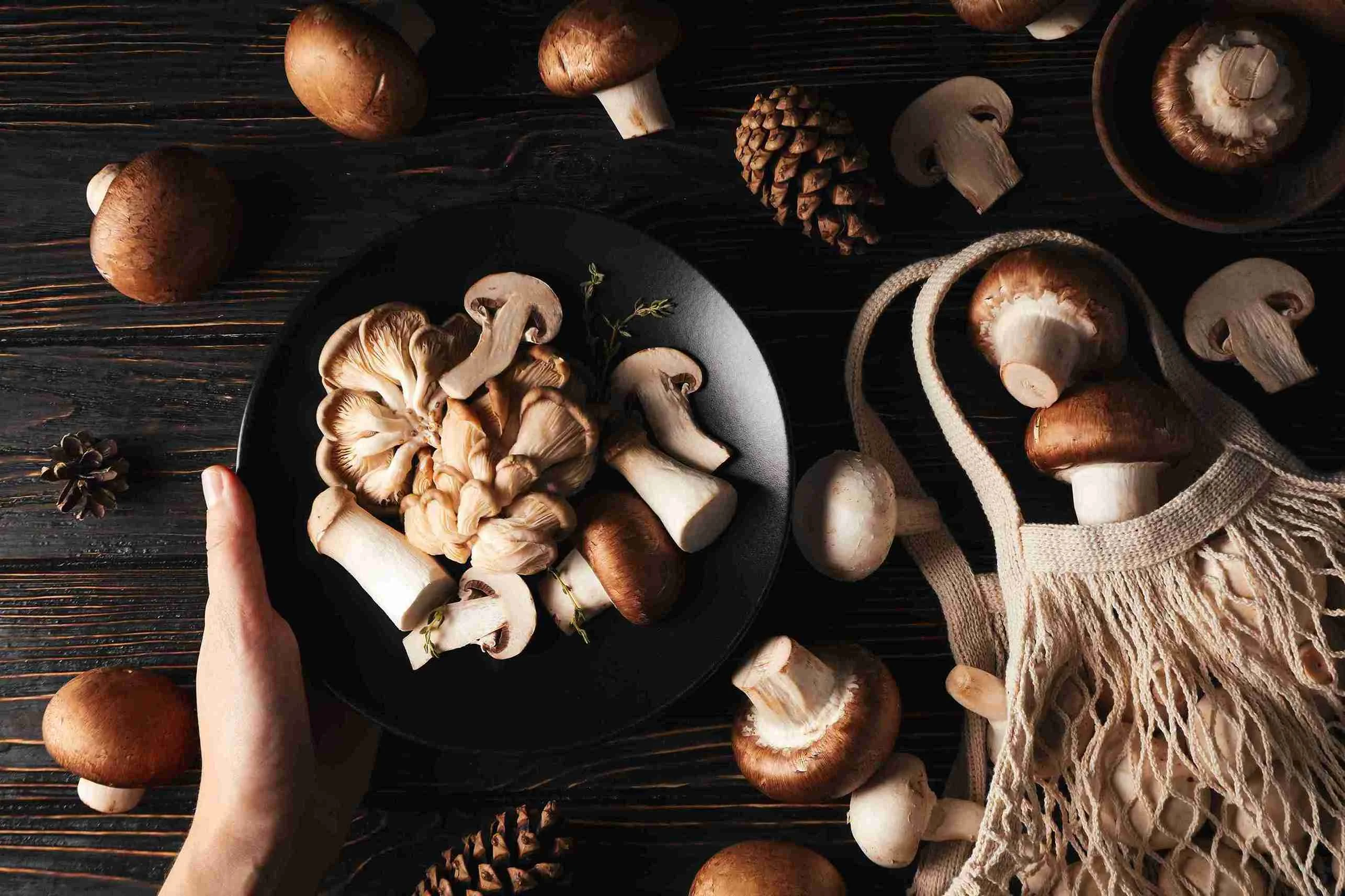
There are thousands of mushroom species, but only a small number are commonly eaten. Button mushrooms, chestnut mushrooms, and portobello mushrooms are widely used in everyday cooking. These varieties are mild in flavour and adaptable to many dishes.
Other popular types include shiitake, known for their rich, savoury taste; oyster mushrooms, valued for their delicate texture; and porcini mushrooms, prized in European cuisine. Each type offers distinct flavours, textures, and culinary uses, contributing to the diversity of mushroom-based dishes.
Mushrooms are low in calories but rich in essential nutrients. They contain B vitamins, selenium, potassium, and fibre, making them a valuable addition to a balanced diet. Unlike most plant-based foods, mushrooms also contain small amounts of vitamin D, particularly when exposed to sunlight.
Their high antioxidant content supports immune health, while their fibre aids digestion. Mushrooms are naturally low in fat and cholesterol-free, appealing to those seeking healthier dietary choices.
Regular consumption of mushrooms has been linked to a range of health benefits. Studies suggest they may support immune function, reduce inflammation, and contribute to heart health. Certain compounds found in mushrooms are believed to help regulate blood sugar levels and support brain function.
Medicinal mushrooms, such as reishi and lion’s mane, have gained popularity for their potential therapeutic properties. While research continues, interest in mushrooms as functional foods is growing in both traditional and modern health practices.
Mushrooms are valued in cooking for their ability to absorb flavours and add depth to dishes. Their natural umami taste makes them an excellent alternative to meat in vegetarian and vegan meals. They can be grilled, roasted, sautéed, or eaten raw, depending on the variety.
In British cuisine, mushrooms feature in breakfasts, pies, sauces, and soups. Across global cuisines, they appear in stir-fries, risottos, stews, and pasta dishes. Their adaptability makes them a staple ingredient in kitchens worldwide.
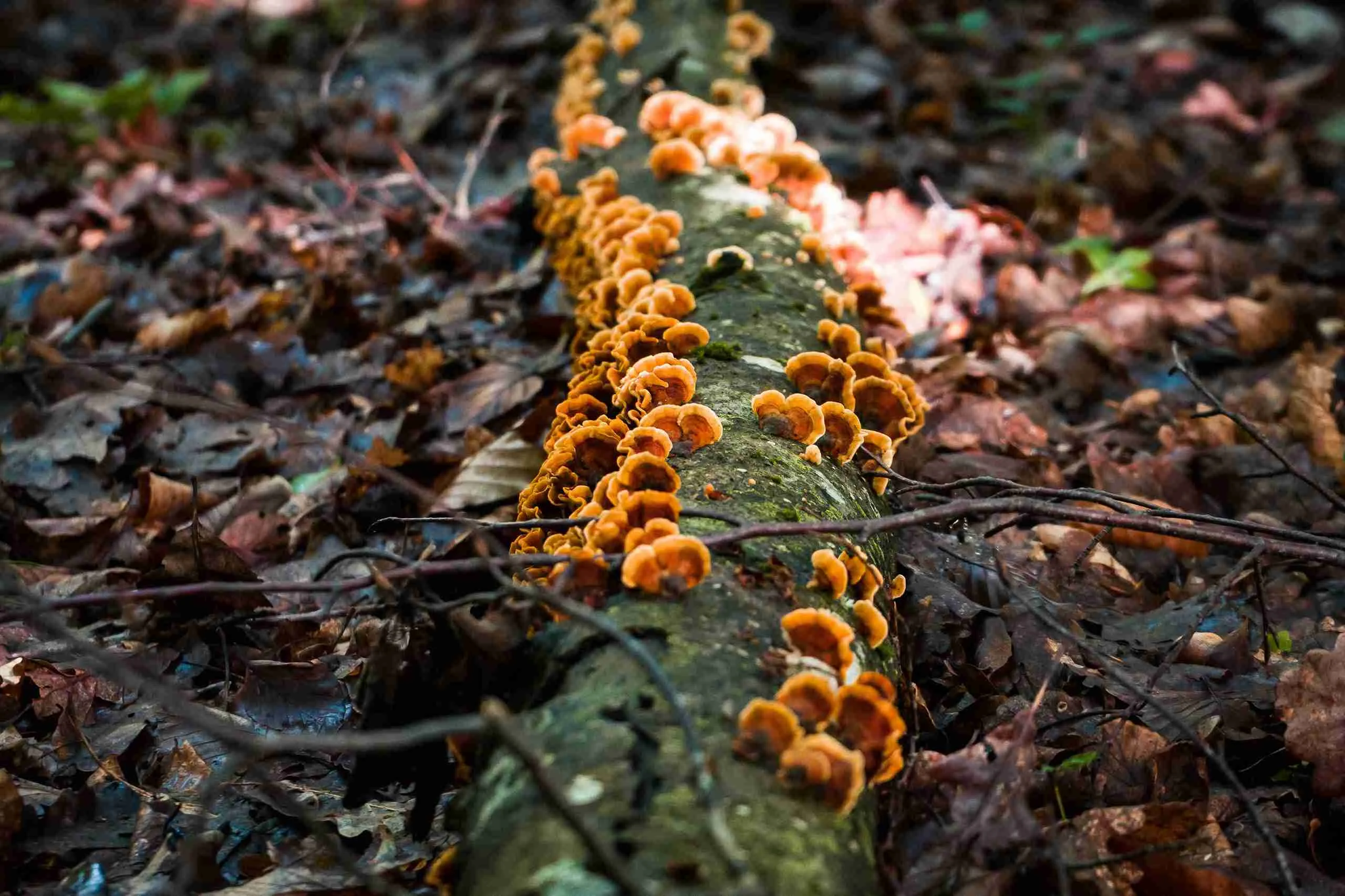
Foraging for wild mushrooms is a long-standing tradition, but it carries serious risks. Many edible mushrooms have toxic lookalikes, and misidentification can be dangerous or even fatal. Even experienced foragers approach mushroom identification with caution.
In the UK, foraging is legal in many areas, but individuals must follow local guidelines and respect protected land. Anyone interested in foraging should seek expert guidance and never consume wild mushrooms unless they are absolutely certain of their identity.
Mushrooms play a crucial role in maintaining healthy ecosystems. As decomposers, they break down organic waste, returning nutrients to the soil and supporting plant growth. Some fungi form symbiotic relationships with trees, helping them absorb water and minerals.
This ecological role has sparked interest in using mushrooms for environmental solutions. Mycelium, the underground network of fungi, is being explored for sustainable packaging, construction materials, and pollution cleanup.
Commercial mushroom farming is considered relatively sustainable compared to other forms of agriculture. Mushrooms require less land and water and can be grown on agricultural waste products such as straw or sawdust.
Home cultivation has also become popular, with grow kits making it accessible to beginners. Growing mushrooms at home allows people to produce fresh food with minimal environmental impact, aligning with the growing interest in sustainable living.
Beyond food and health, mushrooms hold symbolic meaning in many cultures. They are often associated with mystery, transformation, and resilience due to their sudden appearance and hidden growth beneath the surface.
In literature and art, mushrooms frequently represent unseen forces of nature or moments of change. Their unique biology continues to inspire fascination and creativity.
Interest in mushrooms has surged in recent years, driven by plant-based diets, sustainability concerns, and wellness trends. Mushrooms are now featured in meat alternatives, supplements, and skincare products.
This renewed focus highlights how mushrooms bridge the gap between nutrition, ecology, and innovation. What was once considered a humble ingredient is now recognised for its wide-ranging potential.
Mushrooms are more than just a culinary ingredient. They support health, sustain ecosystems, and offer innovative solutions to modern challenges. Their versatility, nutritional value, and environmental benefits make them increasingly relevant in today’s world.
As awareness grows, mushrooms are likely to play an even greater role in how we eat, farm, and care for the planet.