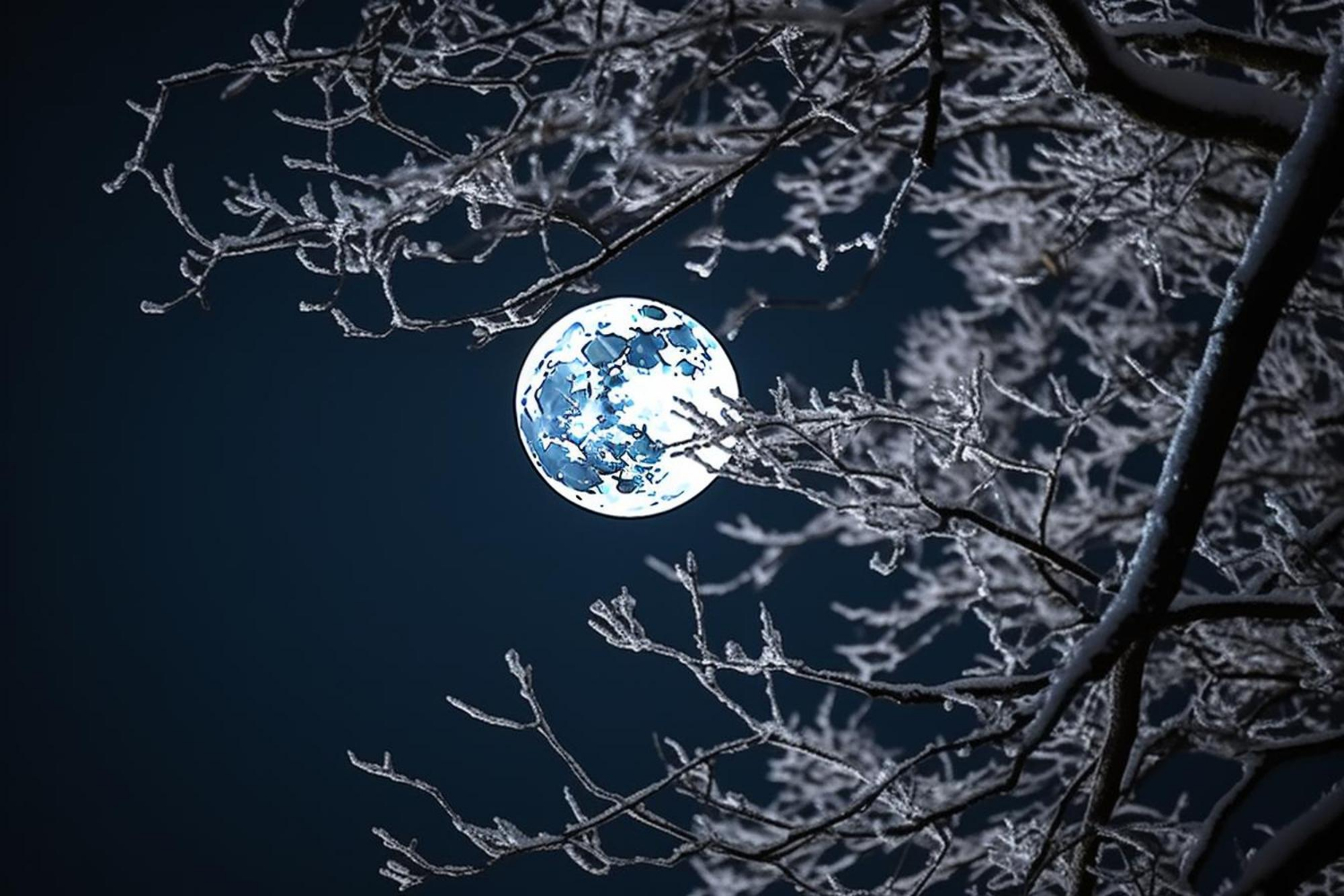
December 4, 2025, gifts skywatchers the Cold Moon—a supermoon at perigee, 221,806 miles from Earth. Named by Mohawk tribes for frosty grips, it’s the year’s last full moon, peaking 6:14 p.m. EST. Third in a supermoon trio (October-November), it swells 14% larger, 30% brighter. In Taurus, it occults Pleiades December 3— a starry eclipse treat. Folklore calls it Long Night Moon (Mohican), heralding solstice. Bundle up; this lunar gem illuminates winter’s hush.
Rise post-sunset (7 p.m. local) in east; highest midnight. Binoculars reveal craters; apps like Star Walk pinpoint. Clear skies? Arizona’s dark deserts (#2 U.S. spot) ideal. Weather woes? December 5 shines too. Photography tip: wide-angle, low ISO for ethereal frost. Avoid light pollution—rural horizons amplify magic.
Perigee full moons dazzle: gravity tugs tides higher (king tides). 2025’s arc peaks highest till 2042, defying solstice shadows. Occultation: Moon veils Pleiades (December 3, 8 p.m. EST)—Seven Sisters vanish briefly. No eclipse, but Gemini lunation stirs reflection.
Mohawk: Cold Moon evokes survival’s chill. Cree: Frost Exploding Trees—bark cracks audibly. Pagan: Moon Before Yule, sun’s return rite. Astrologers: Gemini Full Moon amplifies communication, urging honest closures. Indigenous: perseverance symbol—endure dark, renew. Modern: mindfulness beacon amid holiday frenzy.
Cold Moon inspires: stargazing boosts mood 20% (per studies). 2026’s Wolf Moon follows January 3. Legacy? Unity—global gazes unite under silver light. As 2025 fades, this supermoon whispers: embrace quiet strength.