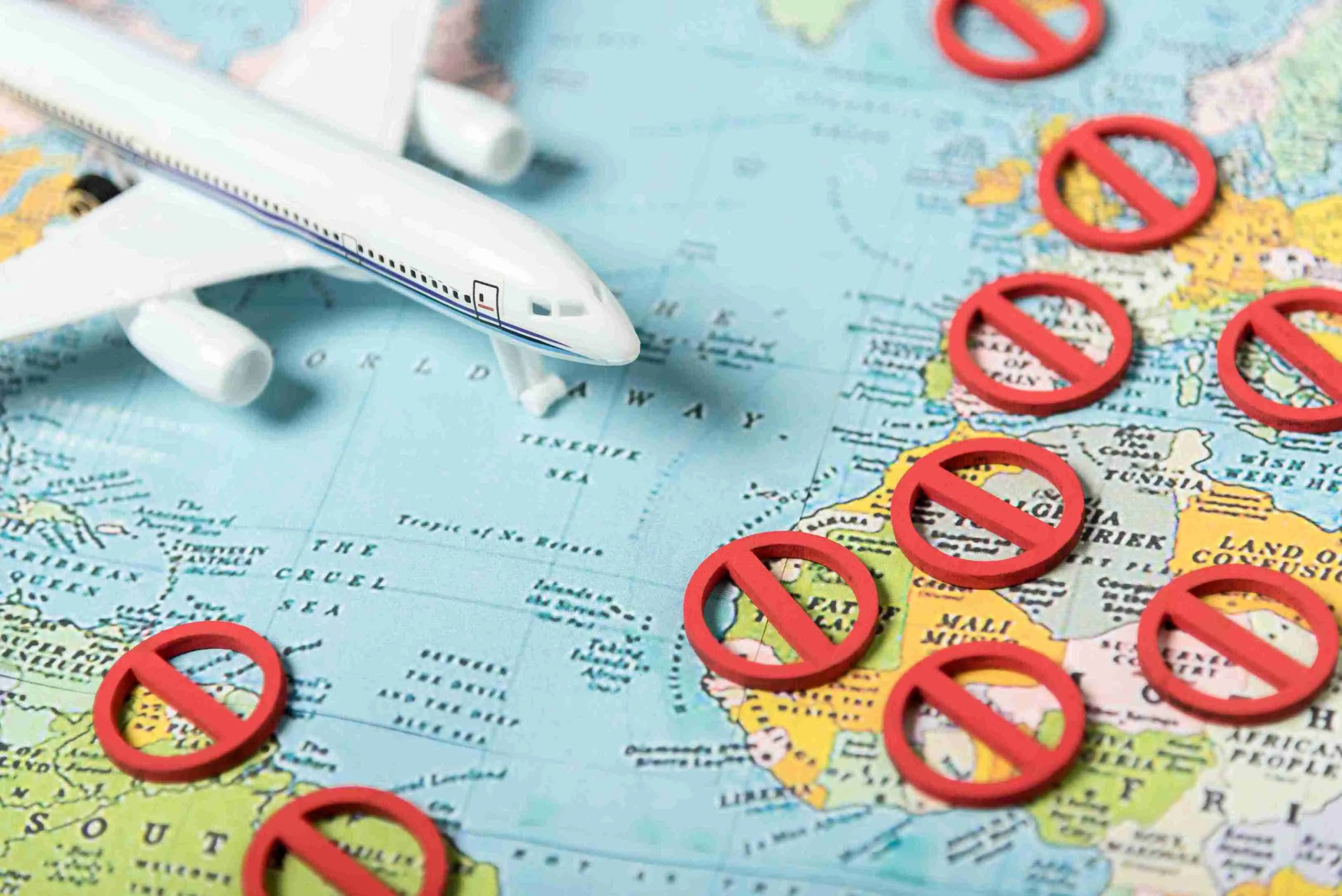
The announcement that the Foreign Office has warned against travel to 55 countries has sent shockwaves through the travel industry and among holidaymakers worldwide. Such guidance significantly influences airline operations, travel insurance policies, and personal travel decisions. Whether you are planning a holiday, traveling for business, or living abroad, understanding what this warning means is essential for making informed and safe choices.
When the Foreign Office issues a warning against travel, it is advising citizens that visiting certain destinations may pose serious risks. These risks can include political instability, armed conflict, terrorism, health emergencies, natural disasters, or breakdowns in local infrastructure. In some cases, the warning applies to all travel, while in others it may specify non-essential travel only.
These advisories are based on intelligence reports, diplomatic assessments, and real-time developments on the ground. They are updated regularly as situations evolve, making them one of the most reliable sources of official travel guidance.
Warnings covering such a large number of countries typically reflect a combination of global factors rather than a single event. Rising geopolitical tensions, regional conflicts, economic instability, and health-related concerns have all contributed to increased caution. In recent years, the interconnected nature of global crises has meant that instability in one region can quickly affect neighboring countries.
The scale of the warning highlights how volatile international travel conditions can be and underscores the importance of monitoring official advice before making plans.
For tourists, a Foreign Office warning can instantly change travel plans. Many travelers rely on this guidance when deciding where to go, especially families and older travelers who prioritize safety. Destinations included in the warning often experience a sharp decline in visitor numbers, affecting local economies that depend on tourism.
Travelers who ignore official advice may face increased risks on the ground, including limited access to consular assistance if problems arise. In extreme cases, evacuation options may also be restricted.
One of the most immediate consequences of a travel warning is its effect on travel insurance. Most insurers will not provide coverage for trips to destinations where the Foreign Office advises against travel. This means travelers may be uninsured for medical emergencies, cancellations, or lost belongings.
For those who have already booked trips, the warning can create financial uncertainty. Some airlines and tour operators may offer refunds or rebooking options, but this is not guaranteed. Understanding your rights and insurance terms becomes crucial in these situations.
The warning also affects business travel, particularly for multinational companies with operations in affected countries. Employers have a legal duty of care to protect staff, and many organizations will suspend travel to destinations deemed unsafe.
This can disrupt supply chains, delay projects, and increase reliance on remote communication. For some industries, especially energy, construction, and humanitarian work, these restrictions pose significant operational challenges.
For expatriates and long-term residents, a Foreign Office warning does not automatically mean evacuation. However, it does signal increased risk and the need for heightened awareness. Citizens living in affected countries are encouraged to register with their embassy, follow local news closely, and have contingency plans in place.
The guidance often includes advice on personal safety, access to healthcare, and what to do in emergencies, making it a vital resource for those already overseas.
Risk assessments are based on a wide range of factors, including crime rates, political developments, security threats, health systems, and environmental conditions. Diplomatic missions, local authorities, and international partners all contribute information.
Importantly, travel advice is not static. Countries can be added to or removed from warning lists as conditions improve or deteriorate. This dynamic approach ensures that guidance reflects current realities rather than outdated perceptions.
Global media coverage often brings attention to crises that influence travel warnings. Conflicts, coups, epidemics, and natural disasters can rapidly escalate into situations that prompt official advisories. Social media also plays a role, spreading information quickly but sometimes inaccurately.
This makes it even more important to rely on official sources rather than speculation or sensational headlines when assessing travel safety.
Travelers should regularly check official travel advice before booking or departing. Flexibility is key, particularly in uncertain global conditions. Booking refundable options, purchasing comprehensive insurance, and staying informed can reduce both risk and stress.
For those affected by the current warning, reviewing alternative destinations and speaking with travel providers can help minimize disruption while prioritizing safety.
Warnings against travel to 55 countries illustrate how fragile global mobility can be. They highlight the need for resilient travel planning, stronger international cooperation, and better crisis management. While global travel remains possible, it increasingly requires adaptability and awareness.
The situation also reinforces the importance of diplomacy and stability, as safer international environments benefit not only travelers but also global economies and cultural exchange.
The Foreign Office warning against travel to 55 countries is a stark reminder that safety must always come first. While it may disrupt plans and disappoint travelers, the guidance exists to protect lives and reduce risk. Staying informed, flexible, and cautious allows travelers to navigate an unpredictable world with confidence and responsibility.