Greenland, the world’s largest island, is a land of contrasts, where vast ice sheets meet rugged coastlines and small communities thrive in extreme conditions. Known for its dramatic landscapes, unique culture, and strategic geopolitical importance, Greenland captivates scientists, travelers, and policymakers alike. Despite its remote location, this Arctic island plays a significant role in climate research, global shipping, and indigenous heritage.
This article explores Greenland’s geography, climate, culture, economy, and its growing importance on the global stage.
Greenland is situated between the Arctic and Atlantic Oceans, northeast of Canada. Covering over 2.1 million square kilometers, it is the world’s largest island that is not a continent. Approximately 80% of Greenland is covered by the Greenland Ice Sheet, which holds around 8% of the world’s freshwater.
Most Greenlandic communities are located along the coast, where fjords provide relatively accessible terrain. The capital, Nuuk, is the largest city, serving as a hub for government, commerce, and culture. Other notable towns include Ilulissat, Sisimiut, and Qaqortoq.
Greenland’s geography is characterized by:
- Towering icebergs and glaciers
- Fjord systems carved by glacial activity
- Mountains and plateaus rising above the ice sheet
- Arctic tundra supporting limited vegetation
These features make Greenland a unique environment for both tourism and scientific research.
Greenland’s climate is Arctic and subarctic, with long, harsh winters and short, cool summers. Coastal areas experience milder temperatures than the interior, where the ice sheet dominates.
Greenland is at the forefront of global climate change discussions. Rising temperatures are causing accelerated ice melt, contributing to global sea-level rise. Glaciologists and climate scientists monitor Greenland closely to understand the broader implications for the planet.
Despite its size, Greenland has a population of roughly 56,000 people. The majority are Inuit or mixed Inuit-Danish descent, preserving rich indigenous traditions alongside modern Danish influences.
Greenlandic (Kalaallisut) is the official language, with Danish widely spoken. Greenlandic culture emphasizes oral traditions, storytelling, hunting practices, and community-based living.
Cultural life includes festivals such as the Nuuk Snow Festival, Arctic hunting competitions, and music events that celebrate both traditional Inuit heritage and contemporary artistic expression.
Greenland’s economy relies heavily on fishing, tourism, and government subsidies from Denmark. Shrimp, halibut, and other seafood dominate exports. Tourism has grown steadily, with visitors drawn to icebergs, northern lights, and adventure tourism.
Greenland also has vast mineral and rare earth deposits. The melting ice has revealed previously inaccessible resources, sparking interest from international investors. However, mining and energy projects are often balanced against environmental and indigenous concerns.
Greenland occupies a strategic position in the Arctic. Its location is important for:
- Global shipping routes opening due to melting ice
- Military and surveillance considerations in the Arctic
- International interest in natural resources
Several countries, including the United States, Denmark, and China, have expressed interest in Greenland’s strategic and economic potential.
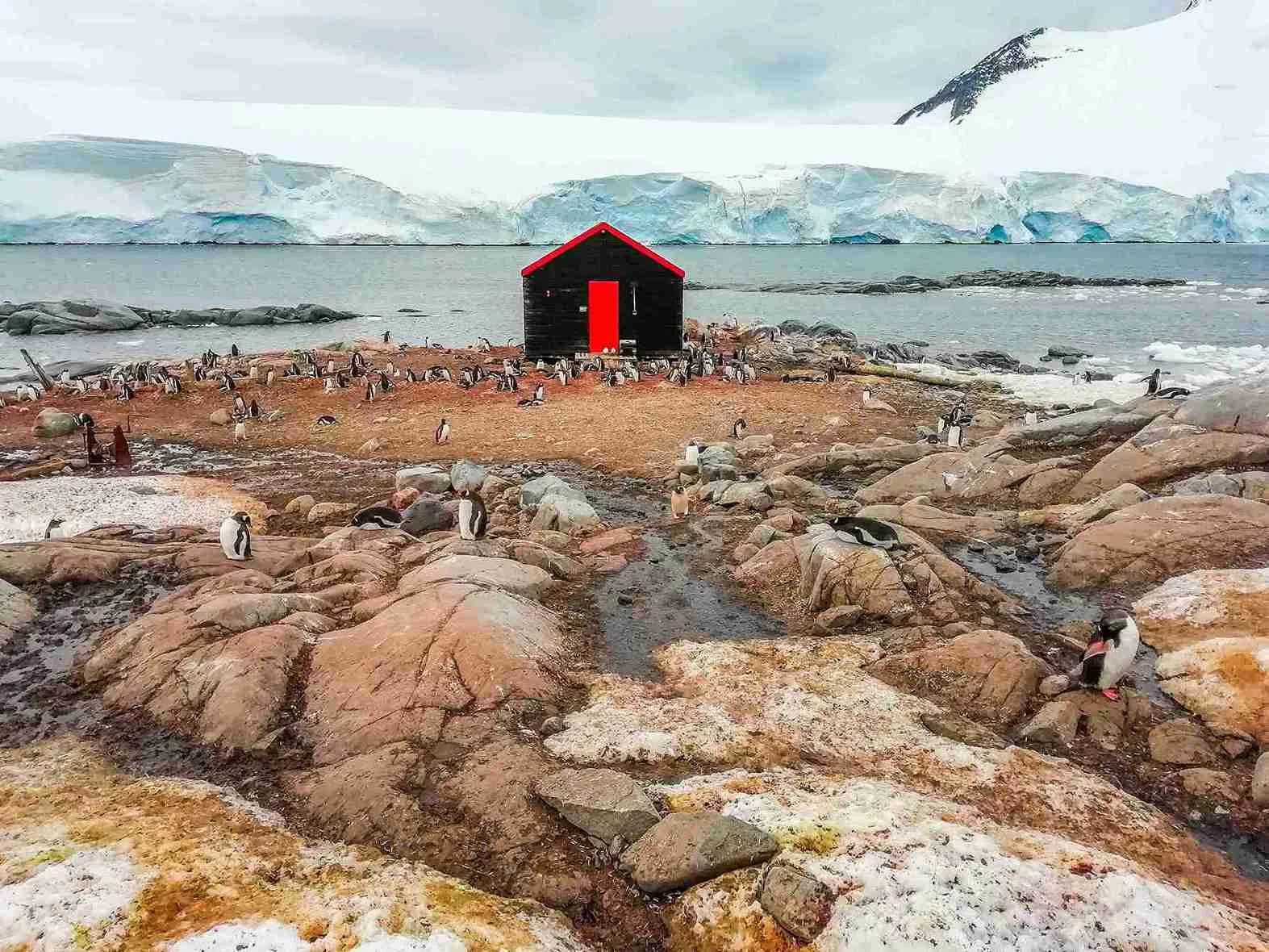
Despite harsh conditions, Greenland hosts diverse wildlife. Arctic foxes, polar bears, musk oxen, and reindeer inhabit the land, while marine life includes seals, whales, and various fish species.
Birdwatchers also find Greenland appealing, as migratory birds nest in its remote coastal regions each summer. Conservation efforts focus on balancing human activity with the preservation of fragile ecosystems.
Tourism in Greenland offers unique experiences, from dog-sledding and ice climbing to kayaking among icebergs. Adventure travelers can witness the northern lights, hike glacial landscapes, and explore traditional Inuit villages.
Eco-tourism is a growing sector, emphasizing responsible travel and minimal impact on the environment. Greenland’s tourism industry not only provides income but also fosters cultural exchange and awareness of Arctic issues.
Greenland faces several challenges:
- Climate change threatening ecosystems and infrastructure
- Limited economic diversification beyond fishing and subsidies
- Social issues such as housing shortages and high living costs
- Balancing resource extraction with indigenous rights and environmental concerns
Addressing these challenges is crucial for sustainable development and maintaining Greenland’s unique cultural and ecological heritage.
Greenland is a key site for scientific research, particularly in climate studies. Ice cores drilled from the Greenland Ice Sheet provide valuable records of past climate, helping scientists predict future trends. Researchers also study Arctic ecology, geology, and human adaptation to extreme environments.
As global attention on the Arctic grows, Greenland is poised to play a more prominent role internationally. Opportunities in tourism, mining, renewable energy, and research could boost economic independence. However, careful planning and international cooperation are essential to ensure that growth is sustainable and culturally respectful.
Greenland is far more than an icy wilderness. Its unique geography, resilient communities, and strategic location make it a critical region for environmental science, geopolitics, and cultural preservation. As climate change reshapes the Arctic, Greenland will continue to influence global discussions on sustainability, resources, and international collaboration.