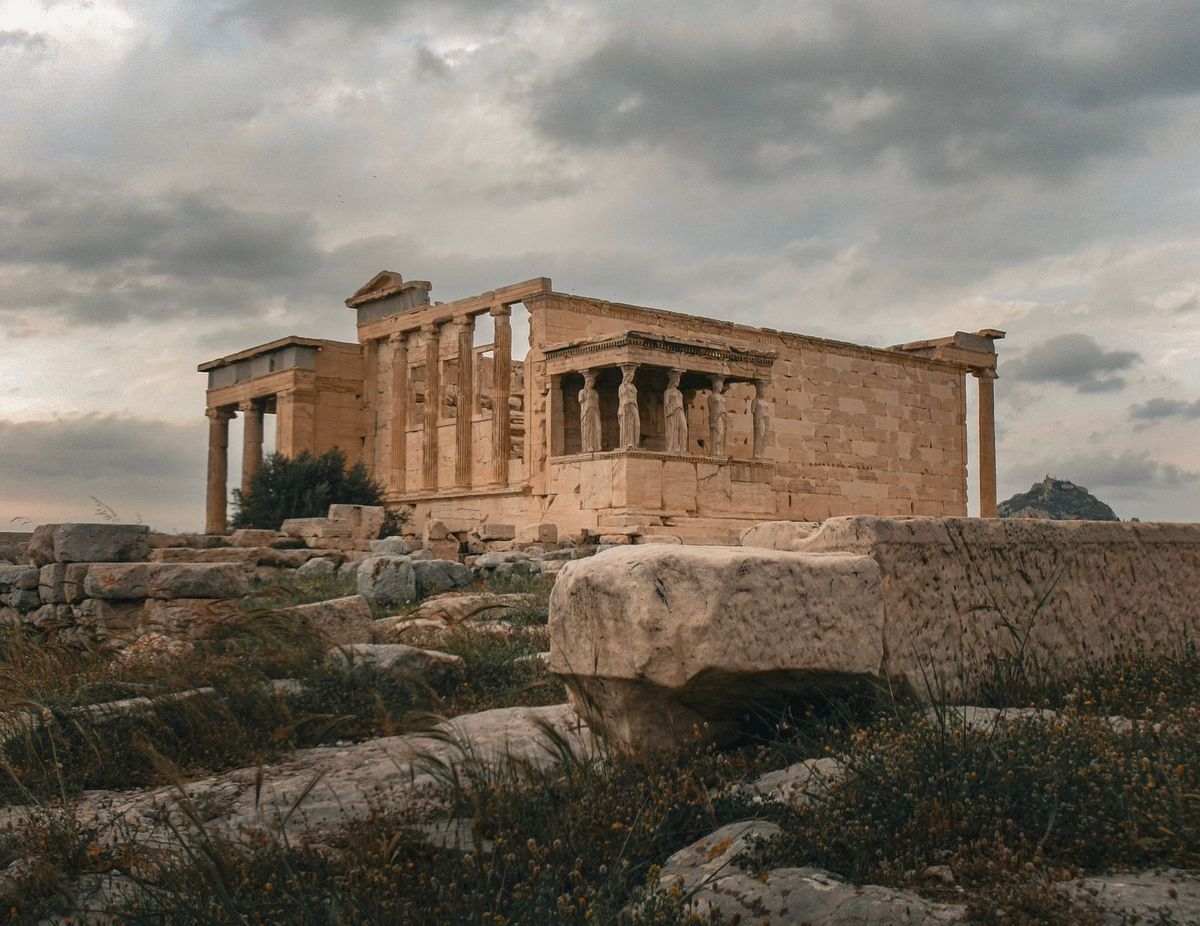
Plans have been formally submitted to convert a building in Barry into a daycare facility, according to reports from the Barry and District News. This significant development targets a structure previously described by Wales Online as a ‘historic building that’s falling into ruin’. The proposal marks an important step towards repurposing a notable local landmark for community benefit.
The submission outlines a vision to transform the property into a new centre for daily care services, indicating a clear intention to provide valuable social infrastructure within the Welsh town. This initiative addresses the condition of the building while simultaneously aiming to serve local families.
Background
The building in question has garnered attention due to its deteriorating state. Wales Online previously highlighted its status as a ‘historic building that’s falling into ruin’, underscoring the urgency for a viable future plan. The focus on revitalisation has been central to discussions surrounding its fate, seeking to preserve its heritage while ensuring it contributes meaningfully to the community.
The concept of repurposing historic structures is not unique to Barry; it is a recurring theme across the United Kingdom. Communities often grapple with finding sustainable uses for older properties, balancing preservation with modern needs. This approach resonates with broader conversations about heritage sites and their integration into contemporary society, similar to ongoing public discourse that might emerge following events such as those related to the Sue Barker Comments Stir Wimbledon Discussion, where the blend of tradition and current relevance is often debated.
Main Developments
The submission of plans to the relevant authorities signifies a concrete progression from conceptual discussions to practical action. While specific operational details of the daycare facility were not elaborated upon in the initial reports from Barry and District News, the overarching aim is to establish a centre providing essential daily care.
This conversion is poised to offer a new lease of life to a building that, as Wales Online reported, was in a state of disrepair. Such projects, transforming neglected assets into vibrant community hubs, are typically viewed as positive contributions to local infrastructure. They provide crucial services, echoing the sentiment of recognising individuals who make significant community contributions, much like those celebrated in the King’s Birthday Honours List Celebrates UK Community.
Further comprehensive information concerning the proposed facility, its exact scope, and the timeline for its development is expected to become available as the planning application process unfolds, as reported by Barry and District News. This process will involve a detailed review by planning authorities, followed by potential public consultation periods, ensuring all aspects are thoroughly considered before final decisions are made.
FAQ
- Q: What type of facility is planned for the Barry building?
A: Plans have been submitted to convert the building into a daycare facility. - Q: What was the previous condition of the building?
A: Wales Online previously described the historic building as “falling into ruin.” - Q: Which sources reported on this development?
A: Barry and District News and Wales Online have reported on the plans. - Q: What is the purpose of the conversion?
A: The conversion aims to repurpose a historic building for community benefit, providing new daily care services.
What this means for you
While the specific location of this development is Barry, Wales, the underlying themes and implications are highly pertinent to a broader UK audience, including readers in Manchester and across the North West. The transformation of a historic building from a state of disrepair into a functional daycare facility underscores a national imperative to blend urban preservation with modern societal demands.
For communities throughout the UK, including those in densely populated areas like Greater Manchester, the challenges of maintaining historic properties while also expanding essential services such as childcare are ever-present. This case in Barry serves as an example of how local authorities and developers can collaborate to address both architectural heritage and pressing community needs. It highlights the ongoing efforts to bolster local infrastructure and provide crucial support for families, a topic of universal interest and importance across the country. Such initiatives demonstrate a proactive approach to community development that resonates far beyond local boundaries, inspiring similar considerations for revitalisation and service provision in urban and rural settings nationwide.