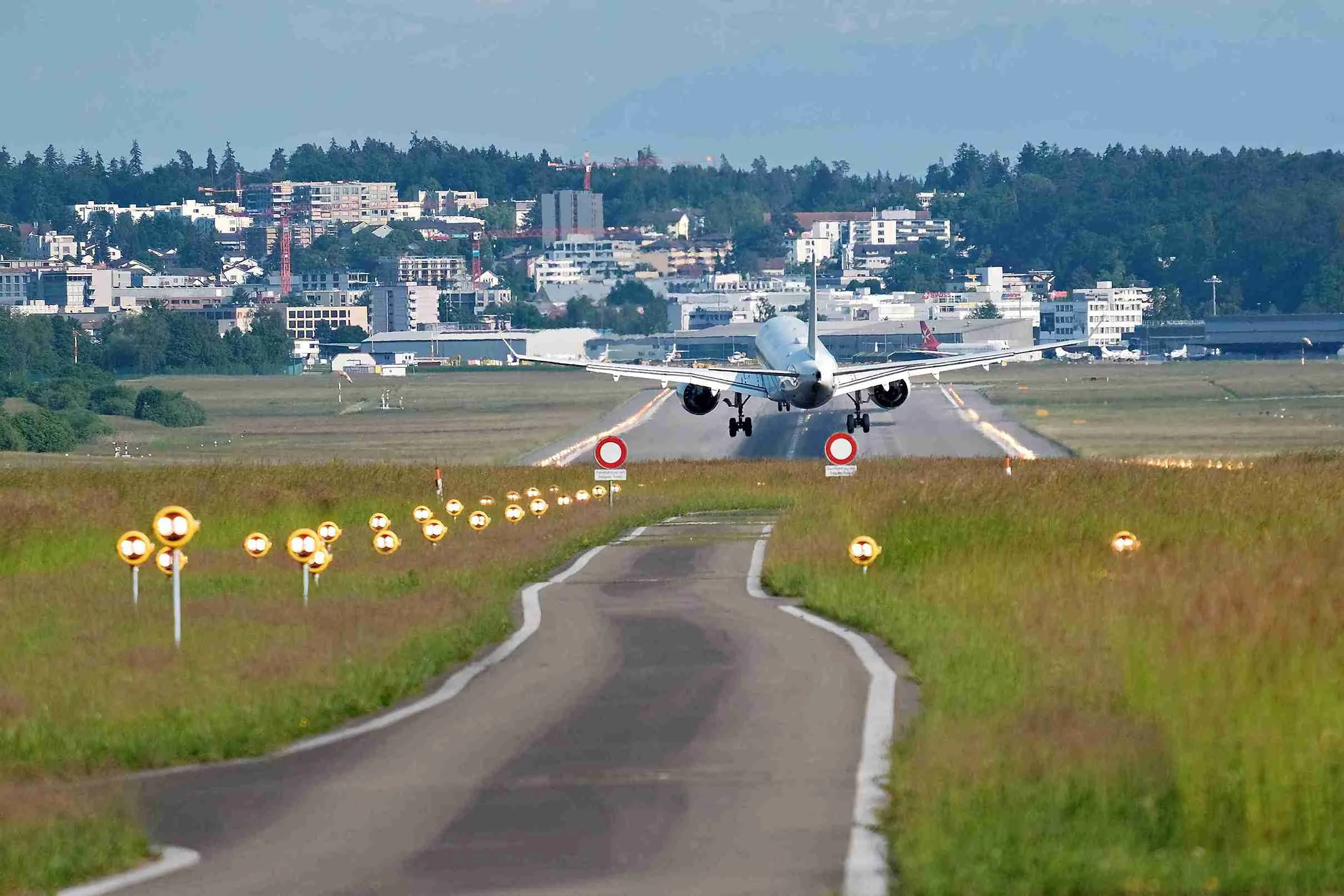
Manchester Airport, located in the heart of the North West of England, is one of the busiest and most important airports in the United Kingdom. Serving millions of passengers each year, it acts as a major gateway for international and domestic travel, connecting the North of England to global destinations. With state-of-the-art facilities, efficient transport links, and a rich history, Manchester Airport continues to play a pivotal role in the UK’s aviation industry.
Manchester Airport opened its doors in 1938 as Ringway Airport. Initially serving as a regional airfield, it grew significantly after World War II, becoming a commercial aviation hub by the 1960s. Over the decades, the airport has undergone multiple expansions, adding terminals, runways, and support facilities to accommodate rising passenger numbers.
The development of Terminal 2 and Terminal 3 in recent decades has transformed Manchester Airport into a modern international hub. Continuous investment in infrastructure and technology has ensured that the airport maintains its status as a leading airport outside London.
Manchester Airport has three primary terminals: Terminal 1, Terminal 2, and Terminal 3.
Terminal 1 primarily handles international long-haul flights and is equipped with lounges, restaurants, and retail outlets catering to global travelers. Terminal 2 focuses on short-haul European flights and budget airlines, offering modern amenities and fast-track services. Terminal 3 serves domestic and Irish flights, providing efficient check-in, baggage handling, and passenger services.
All terminals are equipped with passenger-friendly facilities, including shops, duty-free outlets, restaurants, cafes, car hire services, and business lounges. Free Wi-Fi, charging stations, and accessibility features make Manchester Airport convenient for all travelers.
One of Manchester Airport’s key strengths is its connectivity. The airport is linked to Manchester city center and surrounding regions via multiple transport modes.
The Manchester Airport railway station provides direct access to central Manchester and other major UK cities, making it ideal for business travelers and tourists alike. Extensive bus and coach services operate throughout Greater Manchester and neighboring counties, while taxis and ride-share services offer flexible transport options.
For drivers, the airport features multiple car parks and easy access via the M56 motorway. Short-term and long-term parking options cater to all traveler needs, while online booking ensures convenience and cost savings.
Manchester Airport hosts over 60 airlines, offering flights to more than 200 destinations worldwide. Major carriers such as British Airways, Emirates, Lufthansa, and Delta operate from the airport, connecting passengers to North America, Asia, Africa, and Europe.
Popular routes include flights to New York, Dubai, Paris, and Amsterdam, among others. Low-cost carriers, including Ryanair and EasyJet, provide budget-friendly options for travelers across Europe. This diverse network makes Manchester Airport a critical hub for business, tourism, and cargo transport.
Passenger experience at Manchester Airport is a priority, with services designed to make travel seamless. Self-service check-in kiosks, fast-track security lanes, and efficient baggage handling reduce wait times and improve passenger satisfaction.
Shops, cafes, and restaurants cater to a wide range of tastes, from quick snacks to fine dining. Duty-free stores offer international brands, while lounges provide a comfortable space for relaxation before flights. For business travelers, meeting rooms, workstations, and concierge services are available.
Families traveling with children can take advantage of dedicated play areas, baby-changing facilities, and family-friendly lounges. Accessibility services, including wheelchair assistance and support for passengers with reduced mobility, ensure the airport is inclusive for everyone.
Manchester Airport is not only a passenger hub but also a major cargo center. Its cargo terminal handles freight from around the world, supporting industries such as manufacturing, e-commerce, and perishable goods transport.
The airport contributes significantly to the regional economy, generating employment, boosting tourism, and supporting local businesses. Studies estimate that Manchester Airport supports tens of thousands of jobs directly and indirectly, highlighting its importance beyond transportation.
Manchester Airport has committed to sustainability and reducing its environmental impact. Initiatives include energy-efficient buildings, waste reduction programs, and encouraging sustainable transport options such as rail and electric vehicles.
The airport has also invested in carbon reduction technologies and participates in industry-wide efforts to achieve net-zero emissions. These initiatives demonstrate Manchester Airport’s dedication to balancing growth with environmental responsibility.
Looking ahead, Manchester Airport plans further expansion to meet rising passenger demand. Proposed projects include new terminals, additional runways, and enhanced public transport links. These developments aim to improve passenger flow, reduce congestion, and maintain Manchester Airport’s competitive position among Europe’s major airports.
Investment in digital technologies, automated services, and infrastructure upgrades will continue to enhance efficiency and passenger satisfaction. By focusing on innovation and modernization, Manchester Airport is poised to remain a leading aviation hub for decades to come.
Manchester Airport is more than just a transport facility; it is a symbol of connectivity, growth, and innovation in the North of England. Its rich history, modern infrastructure, and extensive flight network make it a cornerstone of regional and international travel. Whether for business, leisure, or cargo, Manchester Airport continues to deliver high-quality services, support economic growth, and connect passengers to the world.