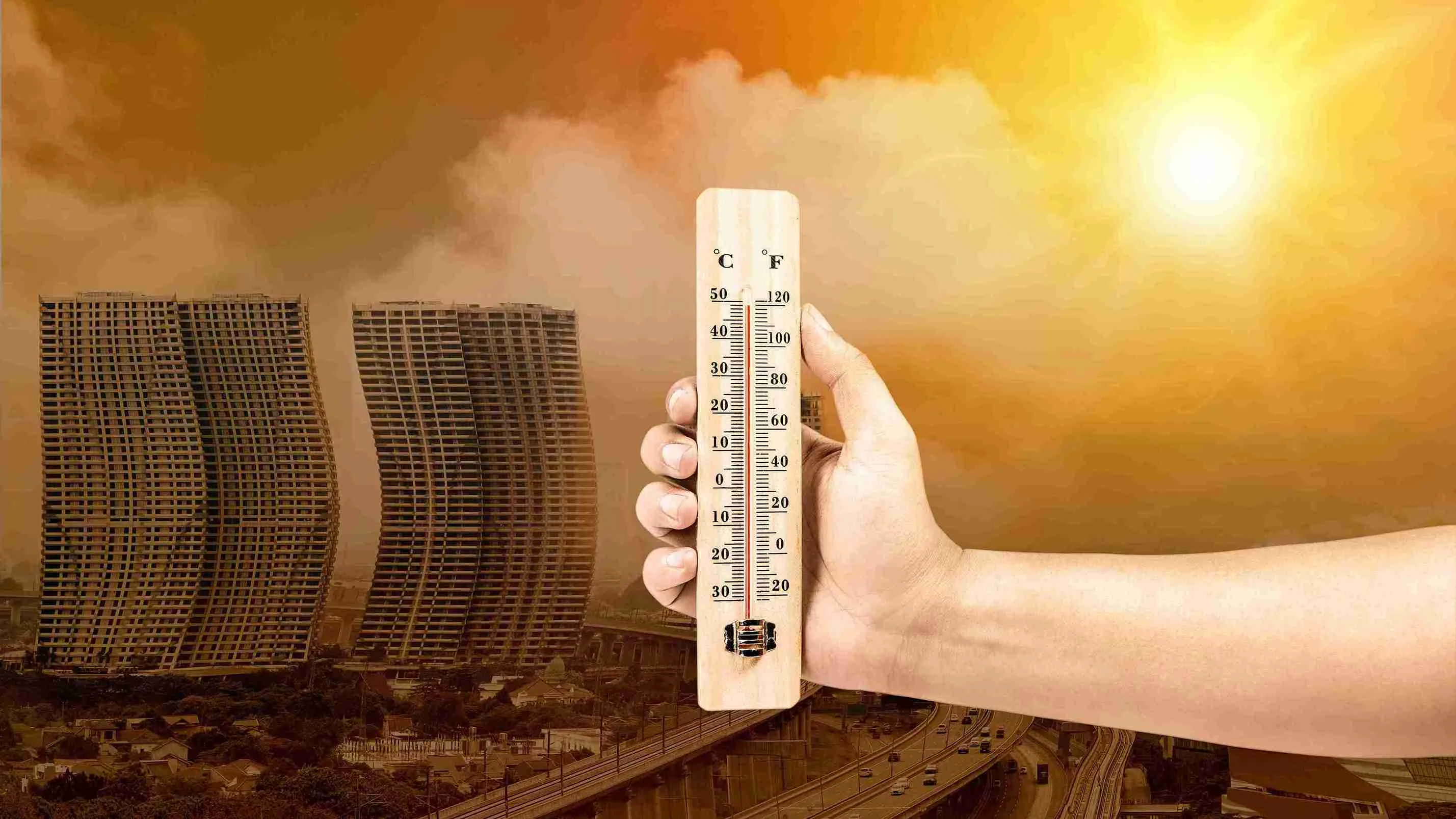
South Florida is currently experiencing a “toasty start to the week,” with forecasts indicating the arrival of “dangerous ‘feels-like’ temperatures.” The region, including Miami, is bracing for what has been described as “scorching heat,” with the added possibility of “scorching lightning,” particularly as it prepares to host matches for the World Cup.
According to Yahoo, the week began with a “toasty start” for South Florida, setting the stage for these elevated temperatures. These conditions pose significant challenges, prompting local authorities and event organisers to implement various measures to ensure public safety, especially in anticipation of large gatherings associated with the international football tournament.
Background
The weather outlook for South Florida has been a focal point of discussion, with predictions pointing towards a period of intense heat. Yahoo reported on the “toasty start to the week” for the region, highlighting the immediate impact of the rising temperatures. This meteorological situation is particularly pertinent as Miami is set to be a host city for the World Cup in 2026, an event that will draw a significant influx of visitors and participants. The confluence of a major international sporting event and challenging weather conditions necessitates careful planning and robust public health strategies.
The New York Times has noted the potential for not only “scorching heat” but also “scorching lightning” during Miami’s matches, underscoring the dual environmental concerns facing event organisers.
Measures to Combat Extreme Heat
In response to the anticipated “extreme heat” during the World Cup, comprehensive strategies are being put into place. ColombiaOne.com has detailed the introduction of “Cooling Centers, Climate Shelters, and Hydration Stations” as key initiatives designed to mitigate the risks associated with the high temperatures. These facilities are intended to provide essential relief and support to individuals affected by the heat, offering protected environments where people can cool down and rehydrate.
Cooling Centers are designated public spaces equipped to provide air-conditioned environments, allowing individuals to escape the outdoor heat and prevent heat-related illnesses. Climate Shelters offer similar protection, functioning as safe havens during periods of intense weather, including extreme heat. Additionally, Hydration Stations will be strategically located across the city and near venues to ensure easy access to water, a critical component in preventing dehydration, especially during prolonged exposure to high temperatures or physical activity.
These proactive measures are central to the efforts to safeguard public health and ensure that the World Cup can proceed safely and enjoyably, despite the challenging environmental conditions anticipated in Miami. The emphasis on providing accessible relief points and hydration resources reflects a commitment to addressing the potential health impacts of the “scorching heat” identified by sources such as The New York Times, accessible via this article.
Potential for Lightning
Beyond the concern of intense heat, the possibility of “scorching lightning” has also been raised as a significant weather factor for Miami. The New York Times highlighted that Miami’s World Cup matches “could have both” scorching heat and scorching lightning. This adds another layer of complexity to event management, requiring protocols for lightning safety, which typically involve temporary suspensions of outdoor activities and directives for attendees to seek immediate shelter. Such conditions demand heightened awareness and preparedness from both organisers and the public to ensure safety during the international tournament.
The dual threat of extreme heat and lightning underscores the dynamic and potentially hazardous weather patterns that can affect South Florida, necessitating robust contingency plans for all major outdoor gatherings, particularly those of the scale of the World Cup.
FAQ
-
Q: What are the primary weather concerns in South Florida currently?
A: South Florida is experiencing a “toasty start to the week” with expectations of “dangerous ‘feels-like’ temperatures” moving in. There is also a concern for “scorching heat” and the potential for “scorching lightning,” particularly in Miami.
-
Q: How is Miami preparing for the extreme heat during the World Cup?
A: To combat “extreme heat” during the World Cup, Miami is implementing a series of measures including the establishment of “Cooling Centers, Climate Shelters, and Hydration Stations” across the city and near event venues.
-
Q: What types of facilities are being provided to help people cope with the heat?
A: The facilities being provided include “Cooling Centers” for air-conditioned relief, “Climate Shelters” offering general protection from extreme weather, and “Hydration Stations” to ensure access to water for preventing dehydration.
-
Q: Is lightning a concern in Miami’s weather forecast?
A: Yes, The New York Times has indicated that Miami’s matches could face “scorching lightning” in addition to extreme heat, posing an additional challenge for event organisers and requiring safety protocols.
What this means for you
While the immediate impact of Miami’s weather preparations for the World Cup may seem distant for readers in Manchester and across the North West, it highlights a broader trend in global event management and climate adaptation. The proactive measures being undertaken in South Florida—such as establishing Cooling Centers, Climate Shelters, and Hydration Stations—underscore the increasing importance of planning for extreme weather events worldwide.
For those in the UK following international news, this situation serves as a reminder of the diverse environmental challenges faced by host cities for major global events. It also offers insight into the public health infrastructure required to safeguard large populations during periods of “scorching heat” and other hazardous conditions, as reported by ColombiaOne.com in its coverage of World Cup preparations, available here. Whether you are planning future international travel or simply keeping abreast of global developments, understanding these challenges and solutions becomes increasingly relevant in a world grappling with varied climatic conditions.
This report from Miami reflects the global imperative to adapt to changing weather patterns, ensuring the safety and well-being of communities and participants in large-scale gatherings, no matter where they occur.