Nottingham, located in the East Midlands of England, is a city famous for its history, culture, and vibrant community. Its weather plays a crucial role in shaping daily life, from outdoor activities to travel plans. The city experiences a temperate maritime climate, meaning mild summers, cool winters, and moderate rainfall throughout the year. This guide explores Nottingham’s seasonal weather, temperature trends, precipitation patterns, and practical tips for residents and visitors.
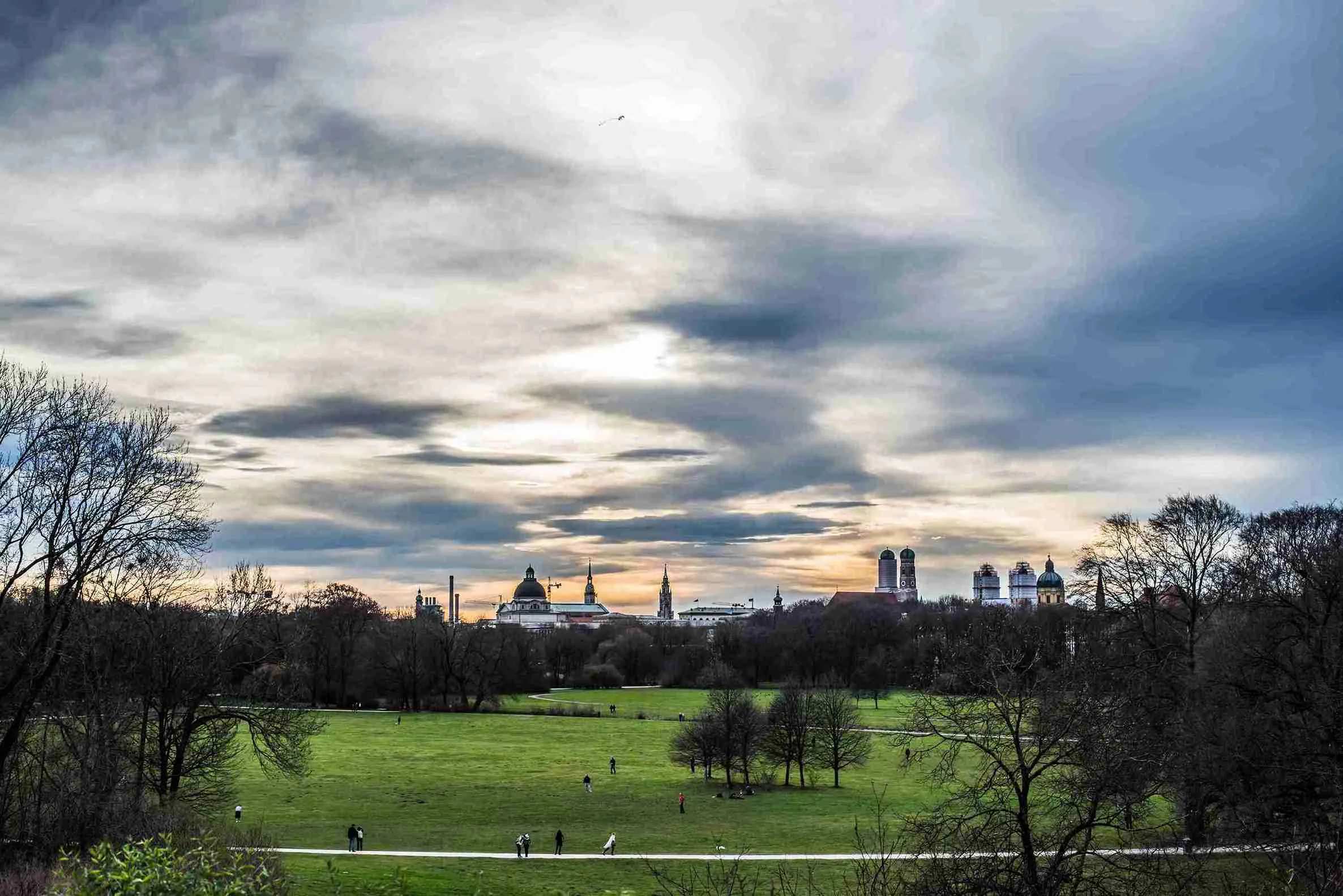
The city’s temperate maritime climate results in relatively stable temperatures with limited extremes. Summers are warm but not excessively hot, while winters are cold but rarely severe. Rain is evenly distributed, though autumn and winter months tend to be wetter. Nottingham’s inland location, combined with prevailing westerly winds from the Atlantic, influences its weather patterns, occasionally bringing gusty winds and overcast skies.
Spring is a transitional season, with temperatures gradually rising from an average of 8°C in March to 15°C in May. The season features a mix of sunshine and showers. Parks and gardens, such as Wollaton Park and Nottingham Arboretum, bloom with vibrant colors, making it an ideal time for outdoor walks and photography. Spring also brings longer daylight hours, encouraging exploration of the city’s historic sites and cultural events.
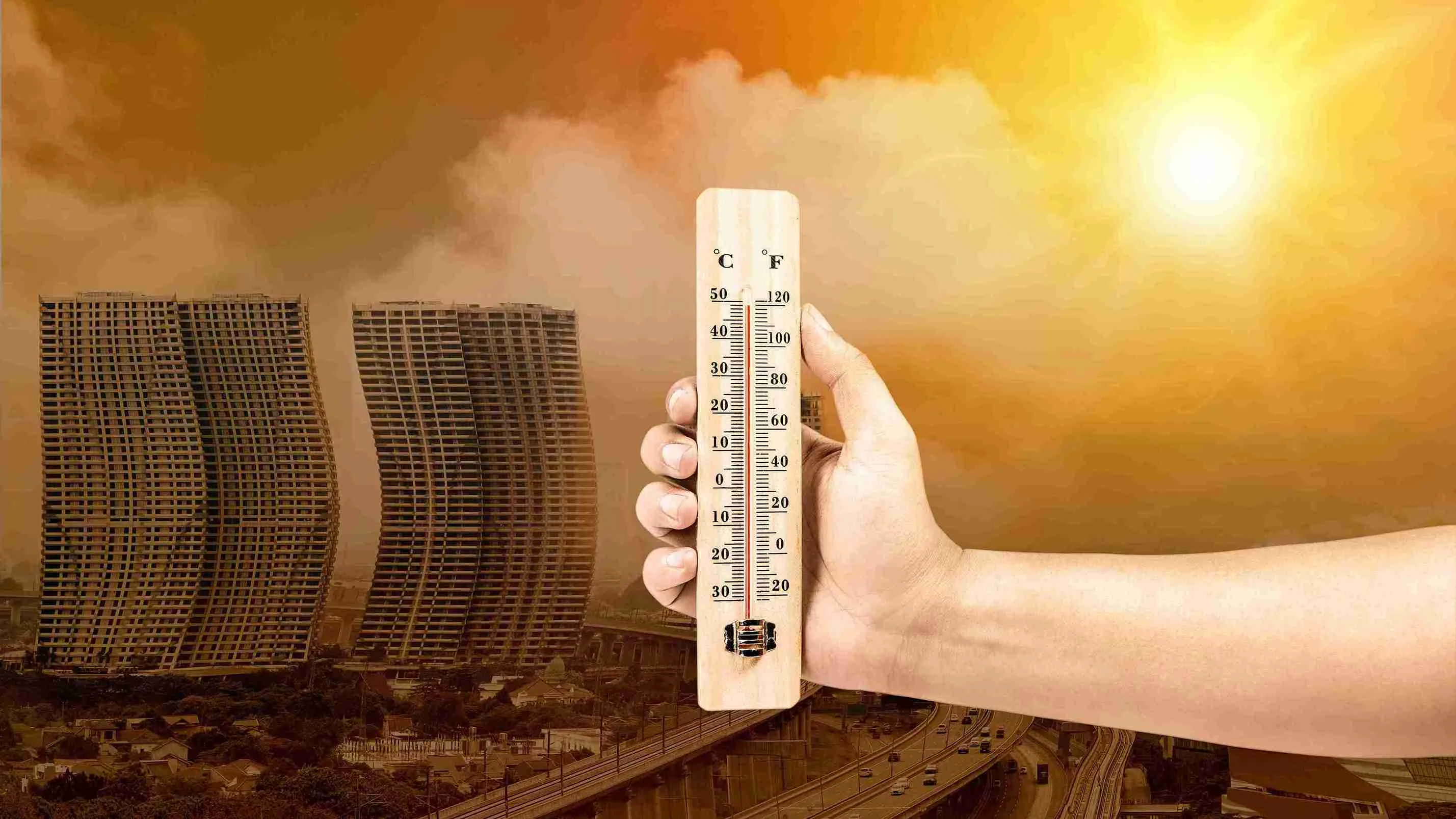
Summer is the warmest season, with temperatures ranging from 18°C to 25°C, occasionally reaching above 30°C during heatwaves. Rainfall decreases slightly, and sunny periods are more frequent, providing optimal conditions for outdoor festivals, sports, and leisure activities. Evenings remain comfortable, perfect for canal-side dining or strolling through city streets. Humidity is moderate, making the summer climate pleasant for both residents and tourists.
Autumn marks a cooling period, with temperatures dropping from 15°C in September to 8°C in November. Rainfall increases, often accompanied by strong winds, especially in October and November. Trees in parks and avenues turn brilliant shades of red, orange, and yellow, creating picturesque scenery. This season is ideal for visiting seasonal markets, attending cultural events, and enjoying outdoor photography. Waterproof clothing is recommended due to frequent showers.
Winter brings cool temperatures averaging between 3°C and 7°C. Snowfall is occasional, with frosty mornings common in January and February. Rainfall peaks during December and January, and icy conditions may affect travel. Despite the cold, Nottingham remains lively with Christmas markets, festive lights, and indoor entertainment. Residents and visitors are advised to dress warmly and monitor weather updates to stay safe during adverse conditions.
Nottingham receives approximately 700–800 millimeters of rainfall annually, fairly evenly spread throughout the year. Autumn and winter months tend to be slightly wetter due to Atlantic weather systems. Summer showers are less frequent but can be heavy. Snow is rare but can affect suburban areas. Understanding precipitation trends is essential for planning outdoor activities, travel, and seasonal events.
Prevailing winds come from the west and southwest, bringing moisture-laden air from the Atlantic. Wind speeds are generally moderate, though autumn and winter can bring gusty conditions. Calm days are more common in spring and summer, allowing for outdoor recreation. Storms are infrequent, but high winds during autumn and winter can cause disruptions in transport and outdoor events.
Although Nottingham’s climate is generally moderate, extremes do occur. Heatwaves in summer occasionally push temperatures above 30°C, while winter cold snaps can dip below freezing. Climate change is influencing local weather patterns, resulting in unseasonal rainfall, hotter summers, and milder winters. Awareness of these trends is important for city planning, gardening, public health, and outdoor activities.
Dressing in layers is advisable to accommodate fluctuating temperatures, especially in spring and autumn. Waterproof jackets and sturdy footwear are recommended year-round due to occasional rain. Travelers should check local weather forecasts before driving or taking public transport in winter. Outdoor events are best planned in spring and summer, while indoor attractions provide comfort during colder or wetter months. Staying hydrated during hot summer days and wearing warm clothing during winter is essential for health and safety.
Nottingham’s weather is dynamic yet manageable, offering a variety of experiences across all seasons. Its temperate maritime climate ensures that residents and visitors can enjoy everything from springtime blooms to winter festivities. Understanding seasonal trends and preparing accordingly allows for better planning, safer travel, and more enjoyable outdoor and indoor experiences. Whether exploring parks, historic sites, or attending city events, Nottingham’s weather contributes significantly to the city’s character and daily life.