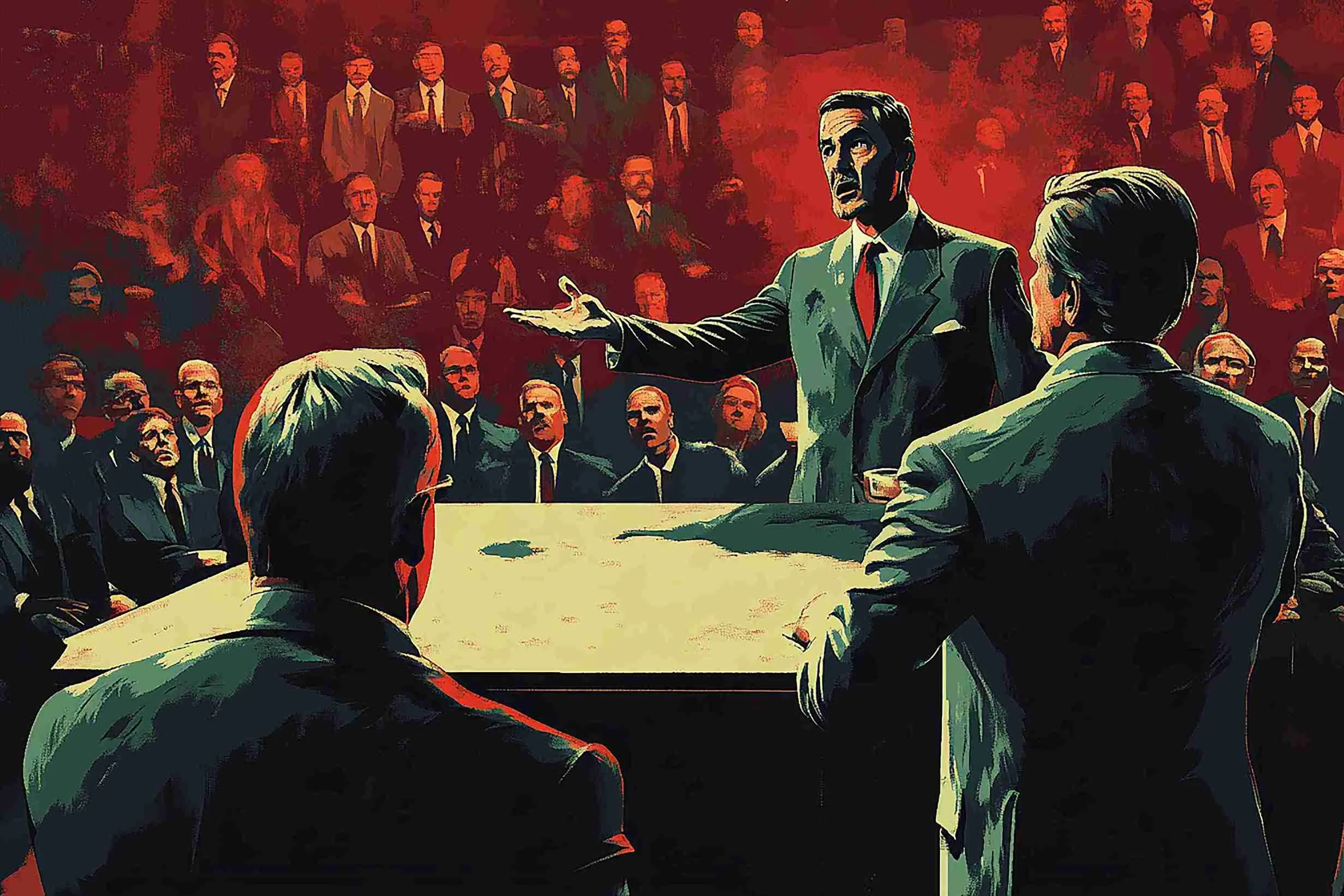
Piers Morgan is one of the most recognisable and polarising figures in modern British media. Known for his outspoken opinions, confrontational interviewing style, and unapologetic presence across television, newspapers, and digital platforms, he has built a career that thrives on controversy. Loved by supporters and criticised by detractors, Piers Morgan remains a central voice in discussions about journalism, free speech, and modern media culture. His influence extends far beyond the United Kingdom, making him a global media personality whose impact continues to evolve.
Born in 1965, Piers Morgan entered journalism at a young age, quickly establishing himself as an ambitious and determined reporter. His early career was shaped by a strong desire to make headlines and challenge authority. From the outset, he demonstrated a willingness to push boundaries, a trait that would later define his professional identity.
Morgan’s rise through the ranks of British tabloids was rapid. His sharp instincts for news, combined with an understanding of what captured public attention, positioned him as a prominent editorial voice. These formative years laid the foundation for the confrontational and opinion-driven style that would later make him famous.
Piers Morgan became one of the youngest editors in British newspaper history when he took charge of major tabloids. His tenure as editor was marked by bold headlines, aggressive reporting, and a focus on celebrity culture and political scandals. Supporters praised his ability to connect with readers, while critics accused him of sensationalism and ethical lapses.
During this period, Morgan developed a reputation as a fearless editor unafraid to court controversy. His decisions often sparked national debates about press standards, privacy, and journalistic responsibility. These experiences shaped his public persona as a figure who thrived under scrutiny.
The move from print journalism to television significantly expanded Piers Morgan’s reach. His appearances as a judge on international talent shows introduced him to a global audience and showcased a different side of his personality. While still direct and opinionated, he demonstrated an ability to engage with entertainment audiences beyond political commentary.
This transition marked a turning point in Morgan’s career. Television allowed him to blend journalism with performance, creating a media identity that resonated with viewers worldwide. His visibility increased dramatically, cementing his status as a household name.
As a talk show host, Piers Morgan became known for his confrontational interviews and willingness to challenge guests directly. Politicians, celebrities, and public figures often found themselves under intense questioning. This approach earned praise for holding powerful individuals accountable, while also attracting criticism for perceived aggression and bias.
Morgan’s interview style reflects his belief in robust debate and free expression. He often positions himself as a defender of open dialogue, arguing that strong opinions are essential to democratic discourse. This philosophy has been central to both his success and the controversies surrounding him.
Few media figures attract controversy like Piers Morgan. Over the years, his comments on social issues, politics, and public figures have sparked widespread backlash. Critics argue that his approach can be inflammatory, while supporters claim he simply voices opinions others are afraid to express.
One of the defining aspects of Morgan’s career is his resilience in the face of criticism. Rather than retreating, he often doubles down, using controversy to fuel further discussion. This strategy has kept him relevant in an increasingly competitive media landscape.
In the digital age, Piers Morgan has effectively leveraged social media to amplify his voice. His online presence allows him to engage directly with audiences, bypassing traditional media gatekeepers. This direct communication has strengthened his personal brand and expanded his influence.
Social platforms also serve as battlegrounds where Morgan’s views are challenged and debated in real time. His ability to dominate online conversations reflects his understanding of modern media dynamics and audience engagement.
Public opinion on Piers Morgan is deeply divided. To supporters, he represents fearless journalism and a commitment to free speech. To critics, he embodies the excesses of sensationalist media and confrontational commentary. This polarisation is central to his enduring relevance.
Morgan’s willingness to embrace division has become a defining feature of his career. By positioning himself as a voice against perceived political correctness, he taps into broader cultural debates that resonate with large segments of the public.
Regardless of opinion, Piers Morgan’s impact on journalism and broadcasting is undeniable. He has influenced how interviews are conducted, how media personalities build personal brands, and how controversy can drive engagement. His career illustrates the power of personality in shaping media narratives.
Morgan’s approach has inspired both imitation and criticism within the industry. His success highlights the changing nature of journalism, where opinion-driven content often commands more attention than traditional reporting.
As Piers Morgan continues to evolve as a media figure, his legacy remains a subject of debate. He has left an indelible mark on British and international media, redefining what it means to be a public commentator in the modern era.
Whether admired or criticized, Morgan’s influence shows no sign of fading. His ability to remain at the center of public discourse speaks to his adaptability and understanding of media power.
Piers Morgan is more than just a controversial commentator; he is a symbol of modern media’s complexities. His career reflects the tensions between free speech, responsibility, and public accountability. As debates around media ethics and expression continue, Piers Morgan will remain a central and unavoidable figure in those conversations.