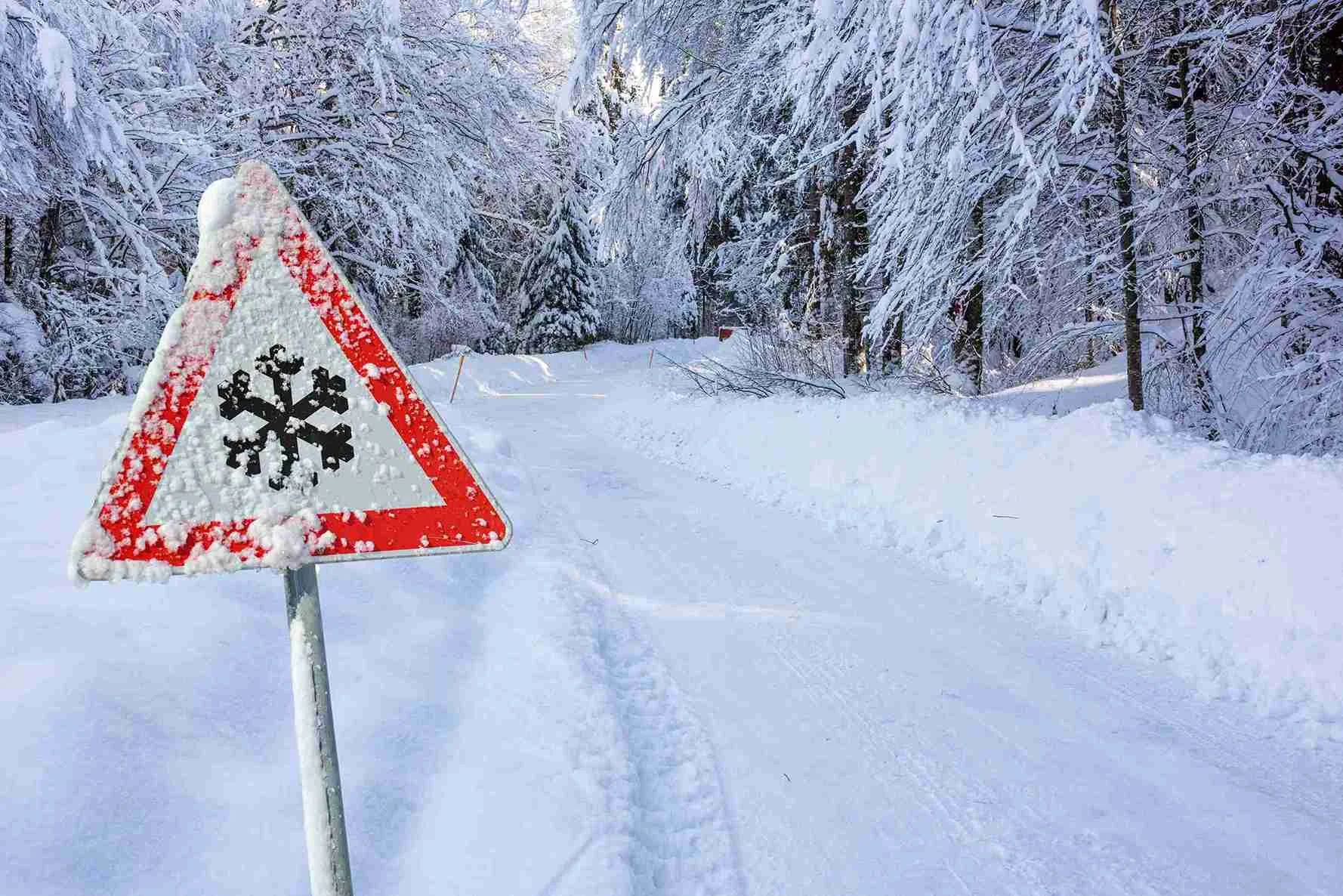
Severe snow and ice warnings are issued to alert the public about dangerous winter weather conditions that can significantly disrupt daily life. These warnings are not just routine forecasts; they are critical advisories designed to protect lives, infrastructure, and essential services. Understanding what a severe snow and ice warning means, how it affects communities, and how to prepare effectively can make a major difference during extreme winter conditions.
A severe snow and ice warning is issued by meteorological authorities when heavy snowfall, freezing rain, or widespread ice is expected to create hazardous conditions. These warnings usually indicate a high likelihood of travel disruption, power outages, school closures, and increased risk of accidents. Unlike general winter weather alerts, severe warnings suggest conditions that may pose a serious threat to safety.
Such warnings are based on a combination of predicted snowfall depth, ice accumulation, wind chill, and duration of the event. When these factors align, authorities issue stronger alerts to encourage people to take immediate precautions.
Snow and ice may appear manageable, but their impact can be severe. Ice-covered roads drastically reduce tire traction, making braking and steering extremely difficult. Even experienced drivers are vulnerable when black ice forms unexpectedly on bridges and untreated roads.
Heavy snow can also cause structural stress on buildings, block emergency routes, and isolate communities. Prolonged cold temperatures increase the risk of hypothermia and frostbite, particularly for the elderly, children, and those without adequate heating.
During a severe snow and ice warning, daily routines are often disrupted. Public transport services may be delayed or suspended, airports can face widespread cancellations, and major road networks may become impassable. Schools and workplaces frequently close to ensure safety.
Essential services such as healthcare, emergency response, and utilities operate under increased strain. Power lines may fail due to ice accumulation, leaving homes without electricity or heating during dangerously cold conditions.
Forecasting severe snow and ice events involves advanced technology and continuous monitoring. Meteorologists analyze atmospheric pressure systems, temperature gradients, moisture levels, and wind patterns. Satellite imagery, radar data, and computer models help predict where and when the most intense conditions will occur.
Despite technological advances, winter weather remains complex. Small changes in temperature can determine whether precipitation falls as rain, snow, or freezing rain, which is why forecasts are updated frequently during severe weather events.
One of the greatest dangers during severe snow and ice warnings is travel. Roads may appear clear but can quickly become hazardous due to drifting snow or refreezing meltwater. Reduced visibility from snowstorms further increases accident risk.
Authorities often advise avoiding non-essential travel during these warnings. If travel is unavoidable, drivers are encouraged to carry emergency supplies, reduce speed, and allow extra stopping distance. Pedestrians should also take care, as icy pavements are a major cause of winter injuries.
Preparation is key to minimizing the impact of severe winter weather. Homes should be insulated properly to retain heat, and heating systems should be checked in advance. Pipes are particularly vulnerable to freezing, which can cause costly damage.
Stocking up on essentials such as food, water, medications, and batteries ensures households can remain safe and comfortable if conditions worsen. Having a plan for power outages, including alternative heating options, is also essential during prolonged cold spells.
Severe snow and ice warnings are closely linked to health risks. Cold temperatures can exacerbate existing medical conditions, especially respiratory and cardiovascular issues. Slips and falls are common causes of injury during icy conditions, often resulting in fractures or head injuries.
Wearing appropriate winter clothing, including insulated footwear with good grip, reduces risk. Checking on vulnerable neighbors and relatives is strongly encouraged, as isolation during winter storms can increase danger.
Severe winter weather has a significant economic impact. Businesses may experience closures, supply chain disruptions, and reduced productivity. Retail, hospitality, and transport sectors are particularly affected when customers and staff are unable to travel safely.
However, some industries, such as utilities and winter maintenance services, experience increased demand. Local authorities often allocate substantial resources to gritting roads and clearing snow to keep essential routes open.
During severe snow and ice warnings, local councils and emergency services coordinate efforts to protect the public. This includes road treatment, issuing travel advisories, opening warming centers, and responding to emergencies.
Public cooperation plays a crucial role in these efforts. Following official guidance, staying informed through reliable weather updates, and avoiding unnecessary risks help authorities focus on critical situations.
There is growing discussion around the relationship between climate change and extreme winter weather. While global temperatures are rising overall, changing atmospheric patterns can lead to more intense and unpredictable winter events in some regions.
This means severe snow and ice warnings may become more frequent or more disruptive in the future, making preparedness and public awareness increasingly important.
Reliable information is vital during severe winter conditions. Official weather services, local authorities, and emergency broadcasters provide updates that can change rapidly as conditions evolve.
Relying on verified sources rather than rumors or social media speculation ensures you receive accurate guidance. Many authorities also offer alert systems that deliver warnings directly to mobile devices.
A severe snow and ice warning is a serious alert that should never be ignored. It signals conditions that can endanger lives, disrupt communities, and strain essential services. By understanding the risks, preparing in advance, and following official advice, individuals and communities can reduce the impact of extreme winter weather. Awareness, preparation, and caution remain the most effective tools for staying safe when snow and ice take hold.