England is currently experiencing a profound environmental challenge as a severe drought grips the nation, marked by what the BBC describes as record periods without rain. This prolonged dry spell is significantly impacting the UK’s agricultural sector, leading to growing concerns over the state of food production.
The consequences of this drought are already being felt in farming communities, with Sky News reporting that the ongoing harvest could prove to be “brutal” and potentially the worst on record. Such a severe downturn in agricultural output carries substantial implications for the UK’s food supply, particularly for staple crops like wheat, and for consumers across the North West and the entire country.
Background: England’s Unprecedented Dry Spell
The current drought conditions in England are attributed to a sustained period of low rainfall, reaching what the BBC characterises as record periods without significant precipitation. This extended dry spell has created a challenging environment for natural ecosystems and, crucially, for farming. The severity of the situation across England is prompting a closer look at the broader effects of climate variations on national resources.
The Economist has drawn attention to how such climatic shifts are specifically hurting Britain’s wheat farmers, suggesting a clear need for adaptive strategies within the agricultural industry to mitigate future impacts. Understanding these underlying weather patterns and their implications is essential. For more detailed information on the specific weather events contributing to this drought, readers can consult the BBC’s comprehensive coverage of UK weather.
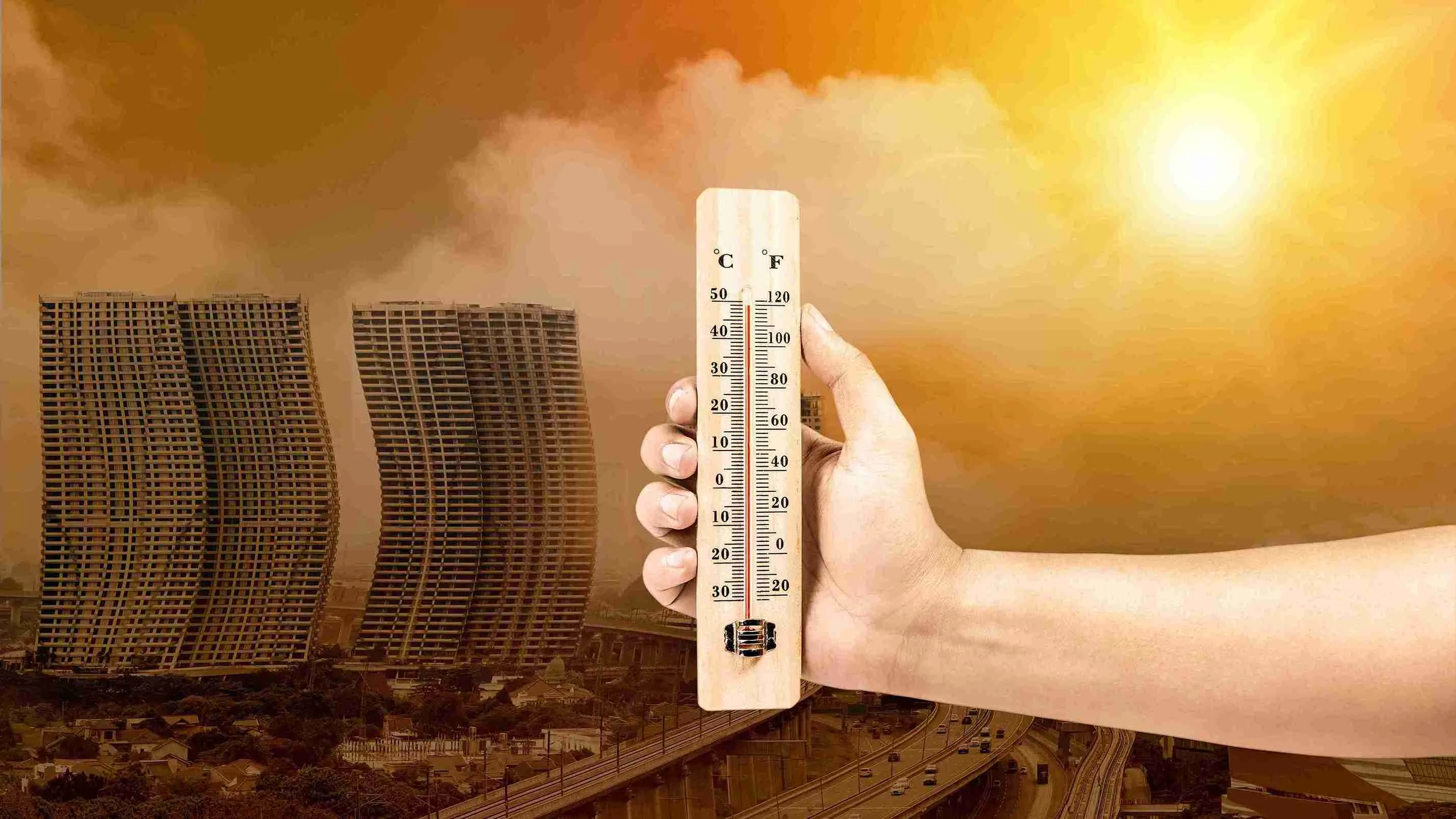
Furthermore, periods of drought are frequently accompanied by elevated temperatures, intensifying the stress on water resources and agricultural land. To gain a deeper understanding of these related environmental factors and how to navigate them safely, we encourage readers to review our article, Understanding Heat: Effects, Safety, and Science Explained. This broader context helps in appreciating the multifaceted nature of the current environmental challenges.
Drought’s Severe Toll on UK Food Production
The agricultural sector is currently bearing the brunt of the ongoing drought, facing what many describe as unprecedented difficulties. Sky News has delivered a stark assessment, indicating that the current harvest could be “brutal” and potentially emerge as the worst on record. This grim outlook highlights the profound challenges confronting farmers nationwide as they contend with insufficient moisture levels and stressed crops.
The impact is particularly acute for Britain’s wheat farmers, who are experiencing significant setbacks due to the prevailing climate, as noted by The Economist. The publication emphasises that these conditions necessitate a critical examination of current farming practices and the urgent implementation of adaptation measures to ensure long-term sustainability. The scale of the problem suggests that traditional methods may no longer be sufficient in the face of evolving climatic patterns.
These severe agricultural challenges carry direct implications for the UK’s overall food production capabilities. A harvest deemed potentially “brutal” and “worst on record” signifies a substantial reduction in domestically grown produce. This reduction could, in turn, affect the supply chain, potentially leading to increased reliance on imports or shifts in consumer availability for certain goods. The situation underscores the vulnerability of national food security to environmental extremes.
The concern expressed by Sky News regarding what this means for the UK’s food production extends to the wider economic and social fabric of the country. Ensuring a stable and sufficient food supply is a fundamental aspect of national well-being, and the current drought poses a significant threat to this stability. The need for proactive strategies and robust support for the farming community is paramount. Further insights into the specifics of this difficult harvest and its broader implications can be found in Sky News’ detailed report on the “brutal” harvest.
Frequently Asked Questions
- Q: What is the primary cause of the current drought gripping England?
- A: The BBC attributes the current drought to record periods without rain, affecting widespread areas across England.
- Q: How is the agricultural sector, particularly wheat farmers, being impacted?
- A: Sky News reports that the ongoing harvest could be “brutal” and potentially the worst on record, with The Economist noting that the climate conditions are severely hurting Britain’s wheat farmers.
- Q: What are the broader consequences for the UK’s food production?
- A: The severe harvest conditions signify a significant challenge for the UK’s overall food production, prompting concerns about future supply and the urgent need for adaptation strategies within the farming community.
What this means for you
For residents across Manchester, the North West, and indeed the entire UK, the unfolding drought situation and its profound effects on agriculture serve as a critical reminder of the close link between our environment and daily necessities. While direct impacts on local water restrictions might not always be immediately apparent, the national challenges confronting farmers could translate into indirect effects on the availability, variety, and cost of food items in our supermarkets.
The discussions surrounding the need for adaptation among Britain’s wheat farmers, as highlighted by The Economist, reflect a broader national imperative to prepare for and mitigate the consequences of changing climate patterns on essential resources. Staying informed about these crucial developments, from understanding local environmental shifts to comprehending the dynamics of national food security, is vital for all citizens. It equips us to better understand the evolving environmental and economic landscape that shapes our lives.